Categories
Pressure Washing Blog

How Often Should You Clean Gutters?

When maintaining your home or commercial property, an essential task to schedule is gutter cleaning. But, how often should you clean gutters? This article will discuss the recommended gutter cleaning frequency and its importance, providing valuable insights for maintaining the health of your property.

Updated for 2026 with the latest best practices, pricing insights, and expert tips for Vancouver-area homeowners.

How Often Should You Clean Gutters

The Importance of Regular Gutter Cleaning

Understanding the significance of regular gutter cleaning is key to appreciating why this task is indispensable. Gutters are an integral part of any property, directing water away from your foundation and preventing water damage. Regular cleaning not only ensures your gutters function effectively but also prolongs their lifespan by preventing rust and corrosion.

When gutters become clogged, water has nowhere to go. It spills over the sides and pools around your foundation, which can lead to basement flooding, soil erosion, and even cracks in your foundation walls. In winter, blocked gutters contribute to ice dams that can force water under your shingles and into your attic. The cost of repairing this kind of water damage far exceeds the cost of regular gutter maintenance.

Residential Gutter Cleaning Frequency

For the average residential property, it is generally recommended that gutters be cleaned twice a year, usually in late spring and late fall. However, this can vary based on the number of trees near your property, your geographical location, and local weather conditions.

For instance, if your home is surrounded by trees, especially pines, which shed all year round, you will need to clean your gutters more frequently to prevent clogging. Houses located in areas prone to storms and heavy rainfall also require more regular cleaning.

Factors That Affect Cleaning Frequency

Not every home needs the same gutter cleaning schedule. Several factors can increase or decrease how often you should clean gutters:

Nearby Trees and Vegetation

This is the single biggest factor. Deciduous trees like maples and oaks drop massive amounts of leaves each fall, while evergreens like cedar and pine shed needles year-round. If your property has mature trees overhanging the roofline, you may need three or even four cleanings per year. Homes with no nearby trees can sometimes get by with one thorough annual cleaning.

Climate and Rainfall

In the Lower Mainland of BC, our wet climate means gutters work overtime from October through April. Heavy rainfall pushes debris through the system faster and can compact sediment in downspouts. The combination of rain and mild winters also encourages moss and algae growth inside gutters, which adds another layer of buildup beyond just leaves and twigs.

Roof Type and Pitch

Steeper roofs tend to shed debris into gutters more quickly, which can lead to faster buildup. Flat or low-slope roofs may hold debris longer before it washes into the gutter system. Additionally, roofs with textured surfaces like cedar shakes or architectural shingles can trap granules and organic matter that eventually makes its way into your gutters.

Seasonal Gutter Cleaning Schedule for BC

For homeowners in Surrey, Langley, Abbotsford, and the surrounding Lower Mainland, here is a practical seasonal schedule:

  • Late spring (May to June) – Clean out seed pods, blossoms, and any debris that accumulated over the rainy winter months. This prepares your gutters for the drier summer season.
  • Late fall (November) – The most critical cleaning of the year. After the majority of leaves have fallen, clear everything out before the heavy winter rains arrive. This ensures your gutters can handle the high water volume from November through March.
  • Mid-winter check (January to February) – If you have many trees or noticed issues in the fall, a quick mid-winter inspection can catch any new blockages before they cause overflow problems during peak rainfall.

Warning Signs Your Gutters Need Cleaning Now

Regardless of your regular schedule, certain warning signs indicate your gutters need immediate attention:

  • Water overflowing during rainstorms, spilling over the sides of the gutter instead of flowing to the downspout.
  • Sagging gutters – When debris and standing water add weight, the gutter can pull away from the fascia board.
  • Plants growing in the gutter – If you can see weeds or seedlings sprouting from your gutter, there is enough soil-like debris to support plant life, and the blockage is severe.
  • Water stains or mildew on your exterior walls below the gutterline, indicating consistent overflow.
  • Birds or pests nesting in the gutters, which suggests debris has been sitting long enough to create a habitat.

If you notice any of these signs, do not wait for your next scheduled cleaning. Address the issue promptly to prevent costly water damage to your home.

Commercial Gutter Cleaning Frequency

Commercial properties usually necessitate more frequent gutter cleaning due to larger roof areas and often more extensive gutter systems. The recommended practice for commercial properties is to have them cleaned at least twice a year. Of course, individual factors such as the building’s size, location, and nearby foliage may necessitate an adjusted schedule.

Considerations for Gutter Cleaning Schedules

While these are general guidelines, it is vital to adapt them according to your particular circumstances. More frequent cleaning may be necessary depending on specific variables, such as your property’s surroundings or the type of trees next to your house.

Moreover, never overlook the importance of keeping an eye on your gutters throughout the year. Any signs of overflowing water, leaks, or sagging should prompt immediate cleaning regardless of the last service date.

FAQs

  1. Why is regular gutter cleaning important?

Regular gutter cleaning ensures the longevity of your gutters and protects your property from potential water damage. Regular maintenance prevents the buildup of debris, reducing the risk of leaks or blockages that can lead to costly repairs.

  1. How often should I schedule professional gutter cleaning?

Residential properties should have their gutters cleaned at least twice a year. However, commercial properties or residences with many nearby trees may need professional gutter cleaning more frequently.

  1. Where can I find professional gutter cleaning services?

Shine City offers specialized gutter cleaning services for both residential and commercial properties across Surrey, British Columbia, and surrounding areas. We ensure that your gutters are well-maintained and functional.

In conclusion, ensuring regular and professional gutter cleaning is a small but critical aspect of property maintenance. By keeping up with a regular cleaning schedule, you can preserve your gutters’ life and help protect your home or building from potential water damage. Contact us at Shine City to schedule your next gutter cleaning service today.

Gutter Cleaning Costs in the Lower Mainland

Professional gutter cleaning in Surrey, Vancouver, Langley, and the surrounding Lower Mainland typically costs between $100 and $300 depending on the size of your home and the condition of your gutters:

  • Single-storey home: $100-$175
  • Two-storey home: $150-$225
  • Three-storey or complex roofline: $200-$300+

When compared to the potential cost of water damage from neglected gutters — foundation repair ($5,000-$20,000), basement waterproofing ($3,000-$10,000), or fascia replacement ($1,000-$5,000) — regular gutter cleaning is one of the most affordable preventive maintenance tasks a homeowner can schedule.

What Is Included in Professional Gutter Cleaning?

A thorough professional gutter cleaning goes beyond simply scooping leaves out of the trough. At Shine City, our gutter cleaning service includes:

  1. Complete debris removal — All leaves, needles, twigs, moss, and compacted sediment are removed from every linear foot of gutter.
  2. Downspout flushing — Each downspout is flushed with water from top to bottom to verify it drains freely. If a blockage is found, we clear it using specialized tools.
  3. Underground drain check — If your downspouts connect to underground drain pipes, we verify that the connection is intact and water flows through the underground system as designed.
  4. Flow testing — After cleaning, we run water through the entire gutter system to confirm proper drainage and identify any low spots or areas where water pools.
  5. Visual inspection — We check for loose hangers, sagging sections, joint separations, rust spots, and any other damage that could affect performance.
  6. Cleanup — All debris is collected and removed from your property. We leave your yard as clean as we found it.

DIY Gutter Cleaning vs Professional Service

Some homeowners prefer to clean their own gutters to save money. While this is certainly possible for single-storey homes with easy access, there are several reasons to consider professional service:

  • Safety — Gutter cleaning requires climbing ladders, often on uneven ground, and reaching overhead while maintaining balance. Falls from ladders are a leading cause of home injury in Canada, and the risk increases significantly for two-storey homes where extension ladders are needed.
  • Thoroughness — Homeowners typically clean what they can see from the ladder but miss compacted sediment at the bottom of the trough and blockages inside downspouts. Professional crews flush the entire system and check underground connections.
  • Speed — A professional team with proper equipment can clean most homes in 30-60 minutes. The same job takes a homeowner 2-4 hours, including ladder setup, moving around the perimeter, and cleanup.
  • Damage detection — Professional cleaners spot early signs of gutter damage that homeowners often overlook, such as hairline cracks in joints, early-stage rust, and hanger screws pulling out of fascia board.

Gutter Guards: Do They Eliminate the Need for Cleaning?

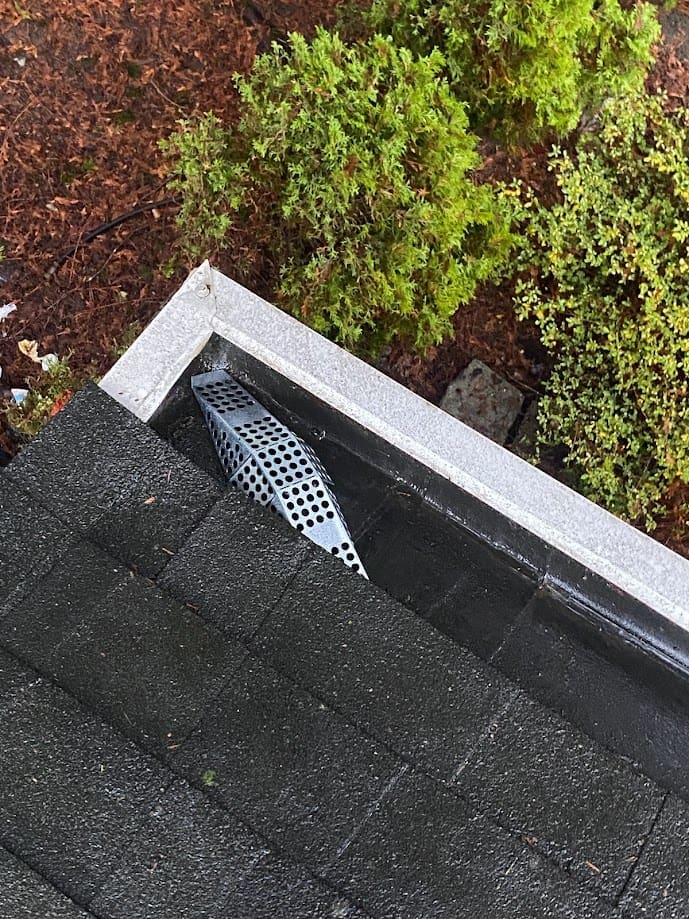
Gutter guards reduce the frequency of cleaning needed but do not eliminate it entirely. Even the best micro-mesh guards allow fine debris, shingle granules, and pollen to pass through and accumulate over time. Guards are most beneficial for homes under heavy tree canopy where leaf volume would otherwise require three or four cleanings per year. With guards installed, you may be able to reduce this to once or twice per year.

It is worth noting that gutter guards can actually make professional cleaning more difficult when it is needed, since the guards must be lifted or removed to access the trough beneath. Some guard designs are easier to service than others, so if you are considering installation, discuss serviceability with the installer.

Bundling Gutter Cleaning with Other Services
The most cost-effective approach to gutter maintenance is combining it with other exterior cleaning services during the same visit. Popular combinations include:

  • Gutter cleaning + roof cleaning — Since roof debris washes into gutters, it makes sense to clean both at once. This is the most popular bundle.
  • Gutter cleaning + house washing — A clean house looks odd with dirty, overflowing gutters. Addressing both ensures a uniformly maintained exterior.
  • Gutter cleaning + window cleaning — Overflowing gutters splash dirty water onto windows below. Clean the gutters first, then the windows, for lasting results.

Bundling services with Shine City typically saves 10-15% compared to booking each service individually. Contact us for a free bundled estimate, or call (604) 229-5354.

Regular gutter cleaning is one of the simplest and most cost-effective ways to protect your home from water damage. By maintaining a twice-yearly schedule and combining gutter cleaning with other exterior maintenance services, you keep your entire property in excellent condition while saving money through bundled service pricing. Do not wait for overflow or water damage to remind you — schedule your next gutter cleaning today.
Categories
Pressure Washing Blog

How Often Should You Clean Windows?

Windows are an essential part of a home or business, allowing in natural light and connecting indoor spaces with the outdoors. However, when it comes to their maintenance, one question often arises: “how often should you clean windows?” This article will delve into the general guidelines of window cleaning frequency and how it can significantly contribute to the aesthetic appeal and functionality of your windows.

Updated for 2026 with the latest best practices, pricing insights, and expert tips for Vancouver-area homeowners.

How Often Should you Clean Windows?

The Importance of Regular Window Cleaning

Firstly, it is necessary to comprehend the value of regular window cleaning. Clean windows allow for better visibility, improved curb appeal, and an overall boost to the aesthetic of a property. Not only does it enhance appearance, but regular cleaning also helps extend the lifespan of your windows by removing harmful elements like dirt, dust, and acidic rain that can damage the glass over time.

In British Columbia’s coastal climate, mineral deposits from rain, salt air, and hard water can etch into glass if left uncleaned for extended periods. Once etching occurs, the damage is permanent — no amount of cleaning will restore full clarity. Regular window cleaning prevents this buildup from reaching the point where it causes lasting harm to your glass.

Residential Window Cleaning Frequency

Typically, for residential properties, windows should be cleaned at least twice a year, usually in the spring and fall. However, this is not a hard-and-fast rule, and various factors can affect the optimal cleaning frequency. For instance, homes in areas with high pollen counts or exposure to harsh weather conditions may require more frequent cleaning. Similarly, windows in rooms with high humidity levels, such as kitchens or bathrooms, usually need more regular upkeep.

Many homeowners in the Fraser Valley find that three cleanings per year — spring, midsummer, and late fall — keeps their windows looking their best. This schedule accounts for the pollen-heavy spring months, the dust that accumulates over summer, and the grime that builds up before the wet winter season.

Commercial Window Cleaning Frequency

Commercial properties usually require more frequent cleaning due to the need to maintain an appealing appearance to attract and retain clientele. On average, commercial windows should be cleaned monthly. However, businesses in high traffic areas or those susceptible to high levels of dirt and dust might benefit from bi-weekly or even weekly cleanings.

Retail storefronts, restaurants, and medical offices benefit the most from regular professional window cleaning. First impressions matter, and spotless windows signal to customers that a business is well-maintained and attentive to detail. Strata properties and multi-unit residential buildings also fall into a more frequent cleaning schedule, typically quarterly, to maintain property values and keep common areas looking their best.

Factors That Affect How Often You Should Clean Windows

Several environmental and property-specific factors influence how quickly your windows get dirty:

  • Proximity to trees: Homes surrounded by deciduous or evergreen trees collect sap, pollen, and debris on their windows far more quickly than properties in open areas.
  • Coastal or lakeside location: Salt spray and moisture from nearby water sources leave mineral deposits on glass that require more frequent removal.
  • Road proximity and traffic: Properties near busy roads accumulate exhaust residue, brake dust, and road grime on their windows.
  • Construction nearby: Active construction sites generate dust and fine particulates that settle on windows quickly and can scratch the glass if not cleaned properly.
  • Hard water sprinklers: Irrigation systems that spray onto windows leave hard water spots that become increasingly difficult to remove the longer they sit.

Signs Your Windows Need Cleaning

Sometimes you do not need to follow a set schedule — your windows will tell you when they need attention. Look for these indicators:

  • Visible spots, streaks, or haze when viewed at an angle or in direct sunlight
  • A noticeable difference in light levels coming through the glass compared to when it was last cleaned
  • Water spots or mineral buildup that does not wipe away with a dry cloth
  • Cobwebs or insect residue in window corners and along frames
  • Green algae or mould growing on window frames or sills

If any of these signs are present, it is time to schedule a cleaning rather than waiting for the next seasonal appointment.

Professional vs. DIY Window Cleaning

While basic interior window cleaning can be handled with a squeegee and glass cleaner, exterior windows — especially on upper floors — are best left to professionals. Professional window cleaners use purified water systems and specialized tools that leave a streak-free finish without the use of harsh chemicals. They can also safely access second and third-story windows that would be dangerous for a homeowner to reach with a ladder.

Professional cleaning also includes the window frames, tracks, and screens, which accumulate dirt and debris that can transfer back onto the glass if left uncleaned. A thorough professional service addresses the entire window system, not just the glass surface.

Considerations for Window Cleaning Schedules

While the above guidelines provide a helpful starting point, tailor your window cleaning schedule based on specific needs and environmental factors. For example, properties in close proximity to bodies of water, high-traffic streets, or construction sites may require more regular cleaning due to increased exposure to dirt and grime.

Remember, maintaining clean windows is a year-round commitment and not just a spring or fall exercise. Continually monitor the state of your windows and adjust the cleaning schedule as needed.

FAQs

  1. Why is regular window cleaning important?

Regular window cleaning not only enhances the look of your property but also extends the life of your windows. It helps remove dirt, grime, and other damaging elements that can lead to scratching or staining over time.

  1. How often should I have my windows professionally cleaned?

For residential properties, it is advisable to have your windows professionally cleaned at least twice a year, preferably in spring and fall. Commercial properties generally need more frequent cleaning, usually monthly.

  1. Where can I find professional window cleaning services?

Shine City offers high-quality window cleaning services for both residential and commercial properties in Surrey, British Columbia, and its surrounding areas. Our team will ensure your windows are sparkling clean, enhancing the overall appeal of your property.

In conclusion, the frequency of window cleaning varies depending on several factors. But for most properties, a bi-annual cleaning for residential homes and monthly cleaning for commercial spaces proves to be sufficient. Reach out to us at Shine City to schedule your window cleaning appointment today.

Window Cleaning Costs in Metro Vancouver

Professional window cleaning in Vancouver, Surrey, and the Lower Mainland typically costs between $150 and $500 for a standard residential home, depending on the number of windows, storeys, and level of buildup:

  • Small home (10-15 windows, single storey): $150-$225
  • Medium home (15-25 windows, two storeys): $225-$350
  • Large home (25-40 windows, two-three storeys): $350-$500
  • Extra large home (40+ windows): $500+

Interior and exterior cleaning is typically included in these prices. Interior-only or exterior-only cleaning is available at a reduced rate. Most homeowners opt for both sides to maximize the improvement in clarity and light transmission.

How Weather Affects Window Cleaning in BC

British Columbia’s climate creates unique considerations for window cleaning scheduling. The rainy season from October through April means freshly cleaned windows may get spotted by rain within days. However, this does not mean you should avoid cleaning during these months. Professional window cleaning removes the buildup of minerals, hard water deposits, and biological growth that rain alone will not wash away. Clean windows with light rain spots still look dramatically better than windows with months of accumulated grime.

The best windows for year-round cleaning are those under covered areas like porches, carports, and deep eaves, which are partially protected from rain. Exposed windows benefit most from spring and late summer cleaning, when you can enjoy clear views for the longest stretch of dry weather.

The Impact of Clean Windows on Energy Efficiency

Dirty windows do more than just look unattractive — they actually reduce the amount of natural light entering your home. A study by the International Window Cleaning Association found that dirty windows can reduce light transmission by up to 40%. In Vancouver, where winter daylight hours are already limited, maximizing the natural light that enters your home can reduce your reliance on artificial lighting and improve the overall ambiance of your living spaces.

During winter months, clean south-facing windows also allow more solar heat gain, which contributes to passive warming of your home. While the energy savings from clean windows alone are modest, they are a bonus on top of the aesthetic and maintenance benefits.

Extending the Life of Your Windows Through Regular Cleaning

Windows are a significant investment in any home, and regular cleaning is essential to protecting that investment. Here is how neglecting window cleaning leads to permanent damage:

  • Hard water etching — Mineral deposits from rain, sprinklers, and condensation gradually etch into the glass surface if not removed regularly. Once etching occurs, the damage is permanent and can only be addressed by professional glass restoration or replacement.
  • Frame and seal deterioration — Dirt, moss, and mildew that accumulate on window frames and seals break down the materials over time. Wood frames rot, vinyl frames discolour, and rubber seals crack, leading to drafts and moisture intrusion.
  • Screen degradation — Window screens trap pollen, dust, and fine debris that transfers onto the glass every time it rains. Cleaning screens as part of regular window maintenance improves airflow and reduces the amount of debris that reaches the glass.
  • Track and hardware corrosion — Window tracks collect dirt and moisture that can corrode hardware and make windows difficult to open and close. Professional cleaning includes track cleaning that maintains smooth operation.

Window Cleaning for Strata and Multi-Unit Properties

Strata complexes, townhouse developments, and apartment buildings in Metro Vancouver have specific window cleaning needs. Many strata councils include window cleaning in their annual maintenance budget, scheduling professional cleaning one to four times per year depending on the building’s location and exposure.

Shine City offers strata window cleaning programs with volume pricing, scheduled seasonal visits, and detailed documentation for council records. Multi-unit buildings benefit from consistent scheduling that keeps all units looking uniform and prevents the deterioration that comes from neglected exterior maintenance. Learn about our commercial and strata services.

Clean windows make every room in your home brighter and more inviting. Contact Shine City to schedule your next professional window cleaning appointment. Call (604) 229-5354 or get a free quote online.

Regular window cleaning is an investment in both the appearance and longevity of your home. By maintaining a consistent cleaning schedule of two to three times per year, you protect your glass from permanent damage, maximise natural light in your living spaces, and keep your property looking its best. For homes in the Lower Mainland, the combination of rain, mineral deposits, and biological growth makes professional cleaning especially important for preserving window clarity and preventing costly glass replacement.

Categories
Pressure Washing Blog

What Is The Average Cost Of Christmas Light Installation?

Thinking about hiring professionals to install your Christmas lights this year? You are not alone. Professional Christmas light installation has become one of the most popular holiday services in the Lower Mainland, and for good reason — it saves you time, keeps you safe, and creates a stunning display that lasts all season. But how much does it actually cost?

This guide covers Christmas light installation costs in Vancouver, Surrey, and the rest of Metro Vancouver for the 2026-2027 holiday season. We break down pricing by home size, what affects the cost, and how to get the best value.

Christmas light installation cost in Vancouver - professional installers on a residential home

Average Cost of Christmas Light Installation (2026-2027)

Professional Christmas light installation in Metro Vancouver typically costs between $300 and $1,500+ depending on the size of your home and the complexity of the display. Here is what to expect:

Home Size Typical Cost What Is Included
Small home (under 1,500 sq ft) $300 – $600 Roofline lights, 1-2 trees or bushes
Medium home (1,500 – 2,500 sq ft) $600 – $1,000 Full roofline, peaks, trees, walkway
Large home (2,500+ sq ft) $1,000 – $1,500+ Full roofline, multiple peaks, large trees, yard displays
Commercial property $1,500 – $5,000+ Custom design, large-scale displays, maintenance

Prices are estimates for the Metro Vancouver area and may vary based on factors listed below. Most professional installers include lights, installation, takedown, and storage in their pricing.

What Affects Christmas Light Installation Cost?

Home Size and Roofline Length

The biggest factor in pricing is the total linear footage of your roofline and the areas you want lit. A simple single-story bungalow with 100 feet of roofline will cost significantly less than a two-story home with multiple peaks, dormers, and gables.

Height and Accessibility

Homes with steep roofs, high peaks, or difficult access points cost more to install because they require specialized equipment like tall ladders, scaffolding, or boom lifts. Many Surrey and North Vancouver homes have steep rooflines that add to the installation cost.

Type of Lights

LED lights are the standard for professional installations because they use less energy, last longer, and produce less heat. The type of LED lights affects cost:

  • C9 LED bulbs — The classic large-bulb look, most popular for rooflines ($1.50-$3 per foot installed)
  • Mini LED lights — Smaller bulbs, ideal for wrapping trees and bushes ($2-$4 per foot)
  • Icicle lights — Hanging strings that create a dripping effect ($2-$3.50 per foot)
  • Net lights — Pre-configured grids for bushes and hedges ($15-$30 per section)
  • Permanent/programmable LED — Year-round systems like Gemstone or Jellyfish ($15-$30 per linear foot installed, one-time cost)

Complexity of Design

A simple roofline outline costs less than a full display with wrapped trees, lit pathways, yard decorations, and custom designs. The more elements you add, the higher the cost — but the more impressive the result.

Takedown and Storage

Most professional installers include takedown in their package price. After the holiday season (typically in January), the team returns to remove all lights and decorations. Many companies also store your lights until the following season, which saves you garage space and ensures the lights are properly maintained.

Christmas Light Installation Pricing Models

Professional Christmas light installers typically use one of these pricing models:

Per Linear Foot

The most common pricing model charges $3 to $8 per linear foot of roofline. This usually includes the lights, clips, installation, and takedown. First-year costs are higher because lights and hardware need to be purchased. Returning customers typically pay 30-50% less because only labour is needed.

Flat Rate Package

Some companies offer flat-rate packages based on home size. For example, a “small home package” might include 150 feet of roofline lights, 2 wrapped trees, and takedown for $500. Packages make it easy to budget but may not fit every home perfectly.

Custom Quote

For larger homes or complex displays, most installers provide a custom quote after viewing photos of your home or doing an on-site visit. This ensures you get an accurate price that accounts for your specific roofline, height, and design preferences.

DIY vs Professional Christmas Light Installation

Factor DIY Professional
Cost (first year) $100-$400 (lights + supplies) $300-$1,500 (all inclusive)
Time 4-8+ hours 1-3 hours (professional crew)
Safety Risk of ladder falls Insured professionals with proper equipment
Quality Varies Uniform, professional appearance
Takedown Another 4-8 hours of your time Included in price
Storage Your garage/attic Often included

The main advantage of professional installation is safety. Falls from ladders are one of the most common holiday-related injuries in Canada. Professional installers have commercial-grade ladders, safety harnesses, and insurance coverage that protect both the crew and your property.

How to Save Money on Christmas Light Installation

  • Book early — Many installers offer early-bird discounts for bookings made in September or October, before the rush season
  • Keep your lights year-to-year — Returning customers pay less because the lights are already purchased. Second-year pricing is typically 30-50% less
  • Start simple — A clean roofline-only display looks great and costs less than a full yard display. You can always add more elements in future years
  • Choose LED — LED lights use 80% less energy than incandescent bulbs and last 10+ seasons, making them cheaper over time
  • Bundle services — Some companies offer discounts if you bundle Christmas light installation with other services like gutter cleaning or pressure washing

When to Book Christmas Light Installation

The ideal timeline for booking Christmas light installation in Metro Vancouver:

  • September – Early October — Best availability, early-bird pricing. Book your consultation and lock in your preferred installation date
  • October – November — Peak booking season. Dates fill up fast, especially weekends. Book as soon as possible
  • Late November — Limited availability. You may still find openings but expect less date flexibility
  • December — Most professionals are fully booked. Last-minute installations may be possible at premium rates

Most professional installations happen between late October and mid-December, with lights being turned on around the first week of December.

Frequently Asked Questions

How much does it cost to install Christmas lights on a house in Vancouver?

Professional Christmas light installation in Vancouver typically costs $300 to $1,500 for a residential home. The price depends on your home size, roofline length, height, and the complexity of the display. Most packages include lights, installation, takedown, and storage.

Is it worth paying someone to put up Christmas lights?

For most homeowners, yes. Professional installation saves 8-16 hours of your time (installation plus takedown), eliminates the safety risk of working on ladders, and creates a more polished result. The cost is comparable to buying quality lights yourself when you factor in your time and the equipment needed.

Do Christmas light installers provide the lights?

Most professional installers provide commercial-grade LED lights as part of their service. These lights are higher quality than retail store lights and typically last 10+ seasons. The lights remain the property of the homeowner after the first year.

How long does professional Christmas light installation take?

A typical residential installation takes 1 to 3 hours with a professional crew of 2-3 installers. Larger homes or complex custom displays may take 4-6 hours. This compares to 4-8+ hours for a DIY installation by one or two homeowners.

What happens if my Christmas lights stop working?

Reputable installers include a warranty or maintenance guarantee with their service. If a section stops working during the season, they will come back and fix it at no extra charge. This is one of the key advantages over DIY — you do not have to climb back on the roof yourself.

Get a Quote for Christmas Light Installation

Shine City offers professional Christmas light installation throughout Metro Vancouver, including Vancouver, Surrey, Burnaby, Langley, and beyond. Our packages include commercial-grade LED lights, professional installation, takedown, and off-season storage.

Ready to make your home shine this holiday season? Contact us for a free estimate or call (604) 229-5354.

Permanent LED Lighting Systems: A Growing Trend

An increasingly popular alternative to traditional seasonal Christmas light installation is permanent LED lighting. Systems like Gemstone Lights, Jellyfish Lighting, and Trimlight are professionally installed once and remain on your home year-round. These systems feature individually addressable LED bulbs that can be programmed to display any colour combination for any occasion — red and green for Christmas, orange for Halloween, blue and white for Hanukkah, or your team’s colours for game day.

Permanent LED Lighting Costs

  • Installation cost: $15-$30 per linear foot (one-time)
  • Average home (150-200 feet of roofline): $2,500-$5,000
  • Large home (250+ feet): $5,000-$8,000+

While the upfront cost is significantly higher than seasonal installation, permanent systems eliminate the annual expense of installation and takedown. Most homeowners recoup the cost difference within 3-5 years compared to annual professional seasonal installation. The systems are energy-efficient, weather-resistant, and controlled via smartphone apps.

Christmas Light Installation for Commercial Properties

Commercial Christmas light installation in Metro Vancouver is a substantial investment that delivers measurable returns in foot traffic and brand visibility. Retail centres, restaurants, car dealerships, and office buildings use holiday lighting to attract customers and create a festive atmosphere that encourages spending.

Commercial installations typically range from $1,500 to $10,000 or more, depending on the building size and display complexity. Unlike residential projects, commercial installations often include custom design elements such as lighted signage, wrapped columns, illuminated trees in parking lots, and coordinated colour schemes that match the business’s branding. Most commercial clients also require maintenance visits throughout the season to replace burnt-out bulbs and repair weather damage, which is included in comprehensive service packages.

Christmas Light Safety Tips

Whether you hire professionals or install lights yourself, safety should be your top priority. Here are essential safety guidelines for Christmas light installation in the Vancouver area:

  • Check lights before hanging — Inspect all light strings for frayed wires, cracked sockets, and loose connections before installation. Discard any damaged strings.
  • Use outdoor-rated lights and extension cords — Indoor lights and cords are not designed to withstand BC’s rain and moisture. Using them outdoors creates a fire and electrocution hazard.
  • Do not overload circuits — Most residential circuits can handle 1,500 watts safely. LED lights use far less power than incandescent, making them the safer choice for extensive displays.
  • Secure lights properly — Use plastic clips designed for Christmas lights rather than staples or nails, which can damage wiring insulation and create shock hazards.
  • Use a timer — Automatic timers save energy and reduce the risk associated with leaving lights on unattended for extended periods.
  • Ladder safety — If working on ladders, always have a spotter, ensure the base is on firm level ground, and never lean beyond your centre of balance. Better yet, hire professionals who have commercial-grade equipment and fall protection.

Ready to make your home shine this holiday season? Contact Shine City for a free Christmas light installation estimate, or call (604) 229-5354.

Categories
Pressure Washing Blog

What Is The Best Time Of Year For Pressure Washing?

Pressure washing is an effective way of keeping the exterior of your home looking fresh and clean. But when is the best time of year for pressure washing? Deciding the right moment to undertake this task is crucial for maximizing results. This article will explore the optimal period for performing pressure washing and explain its importance.

Updated for 2026 with the latest best practices, pricing insights, and expert tips for Vancouver-area homeowners.

Best Time Of Year For Pressure Washing

The Significance of Pressure Washing

Firstly, let us delve into the importance of pressure washing. This task is more than just maintaining the aesthetic appeal of your home. Regular pressure washing fights off harmful elements like algae, dirt, and mildew, which can speed up the wear and tear of your property. It is also key for preventing expensive repairs in the long run.

Identifying the Best Time of Year for Pressure Washing

So when is the best time of year for pressure washing? The answer largely depends on the climate zone you live in. However, generally, the most effective times for pressure washing are during the spring and the fall.

Spring Pressure Washing

Often, winter weather leaves your home’s exterior dirty with accumulated grime and dirt. Pressure washing during spring helps clean up this buildup, freshening up the appearance of your property. Not only that, but pressure washing in spring also readies your outdoor living spaces for summer, making them more enjoyable for you, your family, and your guests.

At Shine City, our highly trained team is equipped with specialist equipment to provide a thorough and even clean, without leaving streaks or patches on the surface. Our exemplary service makes us a top choice for all your spring pressure washing needs.

Summer Pressure Washing

While spring and fall get most of the attention, summer is actually an excellent time for certain pressure washing services in British Columbia. The dry, warm weather means surfaces dry quickly after cleaning, which reduces the chance of mould returning immediately. Summer is particularly ideal for driveway cleaning, patio washing, and deck restoration — surfaces that benefit from warm temperatures to help cleaning solutions work effectively.

If you are planning to stain or seal your deck, summer is the best time to pressure wash it first. The wood needs to be completely dry before applying any sealant, and BC’s summer weather provides the perfect conditions for that.

Autumn/Fall Pressure Washing

Autumn or fall is another excellent time to pressure wash your home. Over the summer, dust, pollen, and other pollutants can settle on your property. An autumn pressure wash will clear off all such debris, along with any organic materials that may have fallen during the initial autumn leaf drop.

Fall pressure washing also serves as preparation for winter. Removing dirt, algae, and mould before the wet season arrives means these organisms have less of a foothold to grow during the months of heavy rainfall. In the Fraser Valley and Metro Vancouver, this is especially important because the damp winter climate creates ideal conditions for biological growth on siding, fences, and concrete.

Winter Pressure Washing in BC

Winter is generally the least popular time for pressure washing, but it is not off the table entirely. In the Lower Mainland, temperatures rarely drop below freezing for extended periods, which means pressure washing can still be performed safely on many days throughout the winter months. However, cleaning solutions work more slowly in cooler temperatures, and surfaces take longer to dry. For this reason, winter pressure washing is best reserved for urgent situations or commercial properties that need to maintain their appearance year-round.

What Services Work Best in Each Season

Not all pressure washing jobs are created equal, and certain services are better suited to specific times of year:

  • House washing (soft wash): Best in spring or early fall, when temperatures are mild and surfaces dry at a moderate rate.
  • Driveway and concrete cleaning: Best in late spring through summer, when warm weather helps cleaning agents break down oil stains and organic growth.
  • Deck and fence cleaning: Ideal in summer, especially if you plan to stain or seal afterward.
  • Roof cleaning (soft wash): Best from late spring to early fall, when moss treatment chemicals can sit without being washed away by heavy rain.
  • Commercial and strata properties: Year-round, with quarterly or monthly scheduling to maintain a professional appearance.

Weather Considerations for Pressure Washing

Beyond the season, day-to-day weather plays a role in scheduling your pressure washing. Overcast days with mild temperatures are actually ideal — direct sunlight can cause cleaning solutions to dry too quickly, leaving streaks and reducing their effectiveness. Light drizzle is generally fine for pressure washing since you are already using water, but heavy rain can dilute cleaning chemicals and make the job less effective. Wind is another consideration, as it can blow spray back at the operator and onto areas you are not trying to clean.

Choosing Your Timing

Irrespective of whether you choose spring or fall for pressure washing, the aim should be to perform it at least once a year. However, depending on the specific condition and location of your property, more frequent cleanings may be needed.

At Shine City, we are committed to delivering top-tier pressure washing services to both residential and commercial properties. Our aim is to exceed customer expectations while offering competitive pricing.

FAQs

  1. Why is it important to do pressure washing?

Pressure washing is vital for maintaining the beauty and longevity of your property. It helps remove built-up dirt, grime, and mold, which if left untreated, could lead to costly repairs.

  1. How often should I pressure wash my home?

While it largely depends on your location and the local climate, the general recommendation is at least once a year. However, properties in harsher climates or those with a lot of trees may need semi-annual or even quarterly washing.

  1. Can I hire professional services for pressure washing?

Yes, you absolutely can. Shine City specializes in professional pressure washing services, ensuring your home stays clean and attractive throughout the year.

In conclusion, scheduling pressure washing at the right time can significantly enhance the longevity and appeal of your home. Remember that caring for your home’s exterior is a year-round consideration. Reach out to us at Shine City today to schedule your next pressure washing appointment.

Pressure Washing Costs by Season in Metro Vancouver

While pressure washing prices remain relatively stable throughout the year, seasonal demand can affect availability and occasionally pricing. Here is what to expect:

  • Spring (March-May) — The busiest season for pressure washing in Metro Vancouver. High demand means you should book 1-2 weeks in advance to secure your preferred date. Pricing is standard.
  • Summer (June-August) — Steady demand with generally good availability. Warm weather makes this ideal for deck and fence cleaning. Standard pricing with occasional summer promotions.
  • Fall (September-November) — The second busiest season, particularly for roof cleaning and gutter cleaning. Book early in September for the best selection of dates.
  • Winter (December-February) — The quietest season for pressure washing. You may find slightly better availability and some companies offer off-season discounts. However, fewer daylight hours and cooler temperatures limit the work window each day.

Creating an Annual Pressure Washing Schedule

The best way to maintain your property is to establish a regular cleaning schedule that distributes tasks throughout the year. Here is a practical annual plan for homeowners in Metro Vancouver:

March to April

Schedule a spring house wash to remove the moss, algae, and grime that accumulated over winter. This is also a good time for a first-round gutter cleaning to clear winter debris before the drier months.

May to June

Clean your deck and patio in preparation for summer entertaining. If you plan to stain or seal your deck, pressure wash it at least two weeks before application to allow the wood to dry completely.

July to August

Address concrete surfaces like driveways, walkways, and patios. Summer heat helps cleaning solutions work faster and surfaces dry quickly. This is also the best time for fence cleaning and restoration.

September to October

Schedule roof moss treatment before the rainy season begins. The treatment bonds to the roof surface during dry weather and then works through the wet winter months as rain activates the moss-killing agents.

November

Complete your second gutter cleaning of the year after most leaves have fallen. This is the single most important gutter cleaning of the year and should not be skipped.

How Often Should Each Surface Be Cleaned?

Different surfaces have different cleaning schedules based on their material, exposure, and susceptibility to organic growth:

  • House siding (soft wash): Every 1-2 years
  • Roof (soft wash moss treatment): Every 2-3 years
  • Gutters: 2 times per year (spring and late fall)
  • Driveway and concrete: Every 1-2 years
  • Deck: Every 1-2 years, or annually if you stain/seal
  • Fence: Every 2-3 years
  • Windows: 2-3 times per year

Homes in heavily treed areas, north-facing properties, or coastal locations may need more frequent cleaning due to accelerated organic growth and salt spray exposure.

Need help creating a maintenance schedule for your property? Contact Shine City for a free consultation and personalized cleaning plan. Call (604) 229-5354 or get a free quote online.

Spring consistently ranks as the most popular time for pressure washing in the Lower Mainland, and for good reason. After five to six months of rain, most homes have accumulated visible moss, algae, and mildew on their siding, driveways, and walkways. The transition from the wet season to the dry season creates the perfect window for cleaning — mild temperatures keep cleaning solutions effective, surfaces dry at a moderate rate, and the results last through the entire summer and into fall.

Spring cleaning also serves a practical purpose beyond aesthetics. Organic growth left on surfaces through the warm summer months can cause permanent staining and accelerate surface deterioration. Moss roots that established during winter will continue to grow and embed deeper into roofing materials, siding joints, and concrete pores if not removed in spring. By scheduling your pressure washing in March through May, you interrupt the growth cycle before it causes lasting damage.

Preparing Your Property for Pressure Washing

To get the most out of your pressure washing appointment, a few simple preparations can help the job go smoothly:

  • Move vehicles — Park cars away from the driveway and areas being cleaned to avoid splash and overspray.
  • Secure loose items — Remove or secure patio furniture, planters, door mats, and decorations from areas being cleaned.
  • Close windows — Ensure all windows and doors near cleaning areas are fully closed to prevent water intrusion.
  • Note problem areas — If there are specific stains, moss patches, or areas of concern, point them out to the crew so they can give those spots extra attention.
  • Ensure water access — Make sure the crew can access an outdoor water spigot. If your spigot requires a special adapter, have it available.
Categories
Pressure Washing Blog

What is the Best Time of Year to Clean Gutters?

Keeping gutters clean is a necessary task for every homeowner. However, do you actually know the best time of year to clean gutters? Understanding when to get your gutter cleaning done is key to keeping your home in top shape all year round. In this article, we will discuss gutter cleaning and why its timing matters, helping you to plan your cleaning schedule effectively.

Updated for 2026 with the latest best practices, pricing insights, and expert tips for Vancouver-area homeowners.

Best Time Of Year To Clean gutters

Justifying the Need for Gutter Cleaning

Firstly, it is crucial to understand the importance of cleaning gutters regularly. By doing so, you ensure that rainwater or melting snow is successfully directed away from your home. This activity prevents potential water damage to your home’s exterior and foundation, and maintains your landscaping. Notably, clean gutters also prevent the growth of mould and deter pests, who are often attracted to the debris that often clogs gutters.

The Most Optimal Time to Clean Gutters

When it comes to the best time of year to clean gutters, it usually comes down to two periods: late spring and late fall. Your geographical location and climate can alter this, but by and large, this rule applies.

Is Late Spring The best Time For Gutter Cleaning?

Late spring is an optimal time to clean your gutters. Post-winter, debris such as leaves, twigs, and seeds tend to accumulate, inhibiting the proper flow of water. At Shine City, we deliver comprehensive gutter cleaning services, clearing all such debris and ensuring the seamless flow of spring rains.

In British Columbia, spring also brings blossoming trees that drop petals, seed pods, and catkins into your gutters. If you have maple, birch, or cherry trees near your roofline, your gutters can fill up surprisingly fast during April and May. A late spring cleaning clears out this seasonal debris before the summer months, when you want your gutters working properly during any unexpected rainstorms.

Late Fall

Late fall also marks an important time for gutter cleaning. This season allows you to get rid of autumn leaves and debris that collect due to summer storms. Carrying out a thorough gutter cleaning before winter sets in is crucial to ensure melting snow can run off without hindrance and stops ice dams from forming.

In the Fraser Valley and Metro Vancouver area, late November through mid-December is the ideal window. Most deciduous trees have dropped their leaves by this point, so you avoid cleaning only to have more leaves fall into your gutters the following week. Getting this done before the heavy winter rains arrive in December and January is critical, as clogged gutters during BC’s rainy season can lead to serious water damage quickly.

Seasonal Gutter Cleaning Guide for BC

While twice a year is the standard recommendation, here is how each season affects your gutters in the British Columbia climate:

Winter (December to February): Heavy rainfall is the norm across the Lower Mainland. If your gutters were not cleaned in late fall, this is when problems show up — overflowing gutters, pooling water near your foundation, and in colder areas, ice dams along the roofline. Emergency gutter cleaning during winter is possible but less ideal due to wet and slippery conditions.

Spring (March to May): As temperatures warm and trees begin to bud, pollen, seed pods, and small twigs fill gutters. A spring cleaning prepares your system for summer and gives you a chance to inspect for any damage caused by winter weather.

Summer (June to August): Gutters are generally low-maintenance during BC’s dry summer months. However, properties surrounded by evergreen trees like fir and cedar may still accumulate needles throughout the year.

Fall (September to November): This is the most important cleaning period. The volume of leaves, twigs, and organic matter that falls during autumn can completely block gutters and downspouts within weeks.

Signs Your Gutters Need Cleaning

Do not wait for a scheduled cleaning if you notice any of these warning signs:

  • Water spilling over the sides of your gutters during rain
  • Visible plants, moss, or weeds growing from the gutter trough
  • Sagging or pulling away from the fascia board due to weight
  • Staining or water marks on your siding below the gutterline
  • Birds or pests nesting in the debris
  • Pooling water near your home’s foundation after rainfall

Consequences of Neglecting Gutter Cleaning

Ignoring gutter maintenance might seem harmless in the short term, but the long-term consequences can be expensive. Clogged gutters cause water to overflow and pool around your foundation, which can lead to basement flooding and foundation cracks over time. Trapped moisture along the roofline contributes to fascia board rot and can even damage your roof decking. In winter, blocked gutters increase the risk of ice dams, which can push water under your shingles and into your attic. The cost of regular gutter cleaning is minor compared to the thousands of dollars these repairs can run.

Action Steps

If “when should I do gutter cleaning?” is a question on your mind, remember that a well-kept gutter system is just as important as taking care of the rest of your home. Run regular checks for leaks, overflows, or weight stress. If these problems surface, schedule cleaning without delay.

At Shine City, we offer top-quality gutter cleaning services for residential, commercial, and strata properties. We are focused on performing thorough clean-ups, eliminating all debris and giving you peace of mind.

FAQs

  1. Why is it important to clean gutters?

Cleaning your gutters is crucial for maintaining your home’s structural integrity. Regular cleaning can prevent water buildup, which can consequently lead to leaks, roof damage, and complications with your home’s foundation. Furthermore, clean and clear gutters deter pests and stop the growth of mold and mildew.

  1. How often should I clean my gutters?

Typically, gutter cleaning should be done twice a year – in late spring and late fall. However, this frequency can vary depending on where you live and how many trees are around your home. Properties with heavy tree cover in the Fraser Valley may benefit from three or even four cleanings per year.

  1. Can I hire professionals to clean my gutters?

Absolutely! At Shine City, we provide high-standard gutter cleaning services. Our team of experts takes care of your gutters so you don’t have to.

In conclusion, cleaning gutters regularly is highly necessary for the overall health of your home. Delays and postponements can lead to complications. Remember, being proactive is better than dealing with problems later. Reach out to Shine City today to schedule your next gutter cleaning appointment.

Gutter Cleaning Costs in Metro Vancouver

Knowing what to budget for gutter cleaning helps you plan your seasonal maintenance effectively. Here are typical prices for the Lower Mainland:

  • Single-storey home: $100-$175
  • Two-storey home: $150-$225
  • Three-storey or complex roofline: $200-$300+

Heavily clogged gutters that have not been cleaned in over a year may cost an additional $25-$75 due to the extra time required to remove compacted debris. Keeping to a regular cleaning schedule minimises this extra cost.

DIY Gutter Cleaning: What You Need to Know

If you choose to clean your own gutters, here are the essential tools and safety precautions:

  • Sturdy extension ladder — A quality ladder rated for your weight plus the weight of tools. Set the base on firm, level ground and have someone hold the base while you climb.
  • Gutter scoop or trowel — Purpose-built gutter scoops are wider and shallower than garden trowels and fit the trough profile better.
  • Garden hose with spray nozzle — After removing debris by hand, flush the gutters with water to clear fine sediment and test flow through downspouts.
  • Work gloves — Thick waterproof gloves protect your hands from sharp debris, metal edges, and the biological matter that accumulates in gutters.
  • Safety glasses — Debris can flick up as you scoop, and flushing downspouts can cause splashback. Eye protection is essential.
  • Bucket or tarp — Collect debris in a bucket hooked to your ladder or lay a tarp below to catch material you toss down. This makes cleanup much faster.

For single-storey homes with easy access, DIY gutter cleaning is a reasonable option for physically capable homeowners. However, two-storey and three-storey homes present significantly greater risk due to the height of extension ladders required. For these properties, professional cleaning is strongly recommended.

What Happens During Professional Gutter Cleaning

Professional gutter cleaning with Shine City includes more than just debris removal. Our comprehensive service covers every component of your gutter system:

  1. Full-perimeter debris removal — We remove all accumulated material from every linear foot of gutter, including leaves, needles, moss, and compacted sediment.
  2. Downspout flushing — Every downspout is flushed from top to bottom with pressurised water. If a blockage is found, we clear it with specialised tools.
  3. Underground drain verification — For homes with underground drain connections, we verify that water flows freely from the downspout into the underground system.
  4. Flow testing — After cleaning, we run water through the entire system to verify proper drainage and identify any low spots where water pools.
  5. Condition assessment — We inspect for loose hangers, sagging sections, rust, joint separations, and proper pitch. You receive a summary of any issues found.

The entire process takes 30-60 minutes for a standard home and includes complete cleanup of all debris removed from your property.

Combining Gutter Cleaning with Seasonal Maintenance

The best time to schedule gutter cleaning often coincides with other exterior maintenance needs. Bundling services saves money and ensures your entire exterior is maintained in a single visit:

  • Fall bundle — Gutter cleaning + roof moss treatment. This combination prepares your roof and drainage system for the heavy rain season. Most popular bundle at Shine City.
  • Spring bundle — Gutter cleaning + house washing. Start the warm season with clean gutters and a freshly washed exterior.
  • Full exterior package — Gutter cleaning + roof cleaning + house wash + windows. The most comprehensive option that addresses every exterior surface in one appointment.

Bundling services with Shine City typically saves 10-15% compared to booking each service separately. Contact us for a free bundled estimate or call (604) 229-5354.

Planning Ahead: Book Before the Rush

The most important piece of advice for gutter cleaning timing is to book before demand peaks. In the Lower Mainland, the busiest booking period for fall gutter cleaning is late October through mid-November. By this time, most homeowners realise their gutters need attention but scheduling availability becomes limited. Booking in September or early October for a mid-to-late November appointment ensures you get your preferred date and allows the cleaning to happen after the majority of leaves have fallen but before the heaviest winter rains arrive.

Similarly, spring gutter cleaning is best booked in February or early March for an April appointment. This timing clears winter debris before spring growth adds new material and ensures your system is prepared for any late-season rainfall. Planning ahead takes the stress out of seasonal maintenance and ensures your gutters are working when you need them most.

Categories
Pressure Washing Blog

How To Pressure Wash A House

How to pressure wash a house

Expert Tips on How to Pressure Wash A House Using The Soft Wash Method

Pressure washing your house injects a fresh and clean look into your exteriors. However, the task can be daunting without proper knowledge lest you damage the surfaces or the structure of your house. So, should you pressure wash a house? Absolutely, but with the right equipment, method and precautions. This guide will give you detailed insights on how to pressure wash a house properly.

Choosing the Right Equipment for Pressure Washing

The first step towards safely pressure washing your home is choosing the right equipment. Residential pressure washers come in different sizes and strengths, measured in pounds per square inch (PSI). For most household cleaning jobs, you should consider a washer rated for 4 – 8 GPM.

Here is a breakdown of the basic equipment you will need:

  • Pressure washer — A machine rated between 1,300 and 2,400 PSI is sufficient for most residential siding. Higher PSI units are available but increase the risk of damage if not handled carefully.
  • Spray tips and nozzles — A 25-degree (green) or 40-degree (white) nozzle provides a wide, gentle spray pattern ideal for house washing. Never use a 0-degree (red) nozzle on siding.
  • Garden hose and water supply — Make sure your water supply delivers enough flow to keep up with the pressure washer’s GPM rating.
  • Extension wand — Useful for reaching second-story areas without climbing a ladder.
  • Safety gear — Protective eyewear, closed-toe shoes with good grip, and gloves are all essential.

Selecting A Cleaning Solution

Pressure washing is not always just about strong water pressure. Sometimes, you will also need a cleaning solution to effectively remove the dirt, mildew, or algae. Opt for a solution specially designed for pressure washers and is safe for the material of your house’s exterior.

For most vinyl and hardie board siding, a sodium hypochlorite-based soft wash solution works best. It kills mould and algae on contact without the need for aggressive scrubbing. If you have painted wood or stucco, look for a gentler, biodegradable cleaner to avoid stripping paint or etching the surface. Always check the manufacturer’s recommendations before applying any chemical to your exterior.

Preparing Your House for Pressure Cleaning

Secure the surroundings of your house before you start. Clear any obstacles, close all windows and doors, and cover outdoor plug points, lights, and plants to prevent any possible damage.

Take a walk around the perimeter and note any areas of concern — cracked siding, loose caulking around windows, damaged trim, or areas where paint is already peeling. These spots are vulnerable to water intrusion and should be repaired before washing, or at minimum avoided during the process. Move patio furniture, planters, and vehicles away from the house to give yourself a clear working area.

Step-by-Step: How to Pressure Wash a House

Follow these steps for a safe and effective house wash:

  1. Apply cleaning solution from the bottom up. Working bottom to top prevents streaking caused by solution running down dry siding. Use low pressure to apply the soap evenly across each wall section.
  2. Let the solution dwell. Allow the cleaning solution to sit for 5 to 10 minutes so it can break down dirt, mildew, and algae. Do not let it dry on the surface — work in manageable sections.
  3. Rinse from the top down. Once the solution has had time to work, rinse the siding from the top down using a wider spray pattern. This allows the dirty water to flow naturally downward.
  4. Maintain a consistent distance. Keep the spray tip 12 to 18 inches from the surface and at a slight downward angle to avoid driving water behind the siding.
  5. Work in sections. Tackle one wall at a time to ensure even coverage and prevent the cleaning solution from drying before you rinse.
  6. Rinse surrounding areas. After finishing each wall, rinse any plants, walkways, or surfaces that may have been exposed to cleaning solution runoff.

Common Mistakes to Avoid

Even with the right equipment, mistakes during pressure washing can lead to costly damage. Here are the most common errors homeowners make:

  • Using too much pressure — High PSI can gouge wood siding, crack vinyl, and force water behind your walls, leading to mould and rot.
  • Spraying upward under siding — This drives water into gaps and behind panels where it cannot dry, creating hidden moisture problems.
  • Ignoring windows and doors — Direct high-pressure spray at windows can crack or shatter glass. Always reduce pressure near windows and doors.
  • Skipping the cleaning solution — Water alone will not kill mould or algae. Without a proper cleaning agent, biological growth returns quickly.
  • Washing in direct sunlight — Hot surfaces cause cleaning solutions to dry too fast, leaving streaks and reducing effectiveness. Wash on overcast days or in the shade when possible.

Safety Tips for Pressure Washing Your Home

Pressure washers are powerful tools that demand respect. Never point the spray wand at yourself, other people, or pets. The force of a pressure washer can cause serious injuries, including lacerations and bruising. Always wear eye protection and non-slip footwear. If you need to reach higher areas, use an extension wand rather than climbing a ladder while holding a running pressure washer — the recoil from the wand can cause you to lose balance.

Know the Limits: When You Should Not Pressure Wash Your House

While pressure washing is an effective cleaning method, it may not be suitable for all house exteriors. Some materials like old brick or certain types of paint can take a hit from the high pressure. Therefore, the pressure washer should be adjusted according to the surface type.

Why Choose Professional Pressure Washing Services?

While knowing how to pressure wash a house is useful, considering professional services yields safer and more efficient results, avoiding the risks of damage, water wastage, or imperfect cleaning. Professional teams like Shine City use commercial-grade soft wash systems that deliver a deeper clean at lower pressures, protecting your siding while achieving results that consumer-grade equipment simply cannot match. Professionals also carry full insurance and WCB coverage, so you are protected if anything goes wrong on the job.

Best Time to Pressure Wash Your House in Metro Vancouver

In the Greater Vancouver area, timing your house wash correctly makes a significant difference in the results. The damp climate from October through April encourages rapid mould, algae, and mildew growth on exterior siding. By the time spring arrives, most homes in Surrey, Langley, Burnaby, and Abbotsford have a visible layer of green or grey buildup.

The ideal window for house washing in Metro Vancouver is from April through October, when you are most likely to get several consecutive dry days. The cleaning solution needs at least a few hours of dry weather to work before rain washes it away. Early morning is the best time of day to start, as the siding is cool and the solution will not evaporate too quickly.

In 2026, many homeowners are scheduling annual soft washes as part of their spring home maintenance routine, treating it the same way they would a furnace inspection or gutter cleaning. Annual washing prevents buildup from becoming permanent and keeps your home looking fresh year-round.

Soft Washing vs. High Pressure: What Vancouver Homeowners Need to Know

There is a critical distinction between soft washing and traditional high-pressure washing that every homeowner should understand before hiring a company or attempting a DIY wash.

Soft washing uses a cleaning solution — typically a blend of sodium hypochlorite, a surfactant, and water — applied at low pressure (under 500 PSI). The chemical solution does the work of killing mould, algae, and mildew, while the low-pressure rinse simply washes the dead organic material away. This method is safe for vinyl, Hardie board, stucco, painted wood, and virtually every other type of residential siding.

High-pressure washing uses water force alone, typically at 2,000 to 3,000+ PSI, to blast dirt off surfaces. While effective on concrete, brick, and stone, this level of pressure can cause serious damage to house siding. Common problems include water forced behind vinyl panels (leading to hidden mould growth), cracked stucco, splintered wood, stripped paint, and damaged window seals.

Any reputable exterior cleaning company in Metro Vancouver will use the soft wash method on house siding. If a company shows up with a high-pressure wand pointed at your walls, that is a red flag. Shine City exclusively uses professional soft wash systems for all house washing services, protecting your home while delivering superior results.

How Much Does It Cost to Pressure Wash a House in 2026?

In 2026, homeowners in the Greater Vancouver area can expect to pay between $350 and $900 for a professional house wash, depending on the size of the home, the number of storeys, and the condition of the siding. Here is a general breakdown:

  • Small home (under 1,500 sq ft, single storey) — $350 to $500
  • Medium home (1,500 to 2,500 sq ft, 1-2 storeys) — $450 to $700
  • Large home (2,500 to 3,500 sq ft, 2 storeys) — $600 to $900
  • Extra-large home (3,500+ sq ft, multi-storey) — $800 to $1,200+

Bundling house washing with other services like gutter cleaning, roof cleaning, window cleaning, or deck cleaning can save you 15 to 25 percent on the total bill. Shine City offers free quotes with transparent, all-inclusive pricing — call (604) 229-5354 or request a quote online.

How House Washing Protects Your Home Investment

Regular exterior cleaning is not just about curb appeal — it is about protecting the structural integrity and value of your home. Here is what annual house washing prevents:

  • Premature paint failure — Mould and algae growing on painted surfaces break down the paint film, causing peeling and flaking years earlier than expected. A clean surface extends paint life by 2 to 4 years.
  • Siding deterioration — Organic growth holds moisture against siding materials, accelerating rot in wood and degradation in vinyl and fibre cement.
  • Health concerns — Mould and mildew on exterior walls can migrate to interior spaces through vents, windows, and cracks, affecting indoor air quality.
  • Reduced property value — A dirty, stained exterior is one of the first things buyers notice. According to real estate professionals, a clean exterior can add 2 to 5 percent to a home’s perceived value.

For homeowners across Metro Vancouver — from Vancouver and Burnaby to Surrey, Langley, and the Fraser Valley — annual house washing with Shine City is one of the most affordable and effective ways to maintain your home. Visit our pressure washing services page or call (604) 229-5354 to get started.

FAQs

Q1: How often should you pressure wash your house? Typically, it is good to pressure wash your house once a year. However, if your home is in an area prone to harsh weather or high levels of pollution, you may need to do it more often. In the Vancouver and Fraser Valley area, annual washing is recommended due to the damp climate that encourages mould and algae growth.

Q2: Should I hire experts to pressure wash my house? While you can certainly pressure wash your home by yourself, hiring professionals like Shine City ensures a comprehensive clean without causing any unwanted damage. They have access to commercial-grade equipment, cleaning solutions, and experience.

Q3: Can I use household cleaning products for pressure washing? It is better to use a product specifically designed for pressure washers. Some household cleaning products may not be effective or could damage your machine.

With the right knowledge, you can use power washing to maintain the beauty and longevity of your home for years to come. Whether you choose to do it yourself or hire professionals, a low-pressure washed house is a cleaner and healthier house.

Call Shine City today for Langley Pressure Washing, Langley Roof Cleaning, and more!

Categories
Pressure Washing Blog

How To Clean Gutters

Maintaining your home includes ensuring your gutters, or eavestroughs, are clean and functioning optimally. In this comprehensive guide, we will detail how to clean gutters, the tools you need, important safety precautions, and the reasons why hiring a professional service like Shine City, based in Surrey, BC, can be the best course of action to take.

How To Clean Gutters

Tools You Need to Clean Gutters

Before you climb up to tackle your gutters, make sure you have the right equipment on hand. Having the proper tools makes the job faster, safer, and more effective.

  • Sturdy extension ladder – Choose a ladder rated for your weight plus any tools you carry. A standoff stabilizer attachment keeps the ladder away from the gutter, preventing damage.
  • Waterproof work gloves – Gutter debris is often slimy and sharp. Thick rubber or nitrile-coated gloves protect your hands from cuts and bacteria.
  • Safety glasses – Dried debris can flake off and blow into your eyes, especially on windy days.
  • Gutter scoop or trowel – A plastic gutter scoop fits the trough profile and removes packed debris more efficiently than your hands alone.
  • Bucket or tarp – Use a bucket hung from the ladder or a tarp spread below to catch debris and keep your landscaping clean.
  • Garden hose with spray nozzle – For flushing remaining sediment after the bulk debris is removed.
  • Plumber’s snake or drain auger – Essential for clearing stubborn downspout clogs that a hose cannot push through.

Safety Precautions Before You Start

Gutter cleaning involves working at height, which makes it one of the riskier home maintenance tasks. Falls from ladders account for thousands of emergency room visits across Canada each year. Keep these safety guidelines in mind:

  • Never work alone. Always have someone nearby who can hold the ladder steady and call for help if something goes wrong.
  • Check the weather. Avoid cleaning gutters on wet, windy, or icy days. Slippery conditions dramatically increase the risk of falls.
  • Maintain three points of contact on the ladder at all times — two hands and one foot, or two feet and one hand.
  • Do not overreach. Move the ladder frequently instead of leaning to one side. Overreaching is one of the most common causes of ladder accidents.
  • Watch for power lines. Before positioning your ladder, look up and ensure you are well clear of any overhead electrical lines.

How to Clean Gutters: A Step-by-step Guide

  1. Gear Up Firstly, gather all the necessary tools you will need for the task. These include a sturdy ladder, waterproof gloves, a gutter-cleaning tool kit, safety glasses, and a garden hose. Ensuring personal safety is paramount.
  2. Prepare Your Work Area Set up your ladder with stability and safety in mind. Place a tarp beneath the cleaning area to catch falling debris and prevent garden damage.
  3. Clear out Debris Using gloves and the tool kit, start removing leaves, twigs, and other debris. Work your way along the gutter, doing small sections at a time. Deposit the debris in a waste container.
  4. Check and Clear Downspouts Ensure downspouts are clear; these can often become clogged. If they are blocked, a plumber’s snake can usually clear the obstruction.
  5. Flush the Gutters Use a garden hose or pressure washer to flush the gutters. Starting at the end opposite the downspout can be effective. This step will help to dislodge any stubborn grime or residue and confirm water flows freely toward the downspout.
  6. Inspect Your Work Finally inspect your gutters by running water through them to check for leaks or obstructions. Look for sagging sections, loose brackets, or rust spots. Make necessary repairs as needed.

Should You Install Gutter Guards?

Gutter guards are screens or covers designed to keep leaves and large debris out of your gutters while allowing water to flow through. They are a popular add-on, but they are not a magic solution. Here is what you should know:

  • Reduced cleaning frequency – Guards can cut the number of cleanings you need per year, but they do not eliminate the need entirely. Fine sediment, pine needles, and shingle grit still accumulate under or on top of guards.
  • Different styles for different needs – Mesh screens work well for broad leaves, while micro-mesh guards are better if you deal with pine needles or seed pods. Solid reverse-curve guards shed large debris but can struggle with heavy BC rainfall.
  • Installation quality matters – Poorly installed guards can void your roof warranty or trap moisture against the fascia board, leading to rot.

If you are considering gutter guards, ask a professional for advice on the best type for your home and the trees in your yard. Shine City can assess your property and recommend whether guards make sense for your situation.

When to Call a Professional

While learning how to clean eavestroughs and gutters can be useful, there are situations where calling a professional is the smarter choice:

  • Your home is more than one storey, making ladder work significantly more dangerous.
  • You notice structural damage such as sagging gutters, rust holes, or separated joints that require repair beyond simple cleaning.
  • You are not comfortable working at heights or do not have the proper ladder and safety equipment.
  • Your gutters have not been cleaned in several years and are heavily clogged with compacted debris or plant growth.

Why You Should Consider a Professional Gutter Cleaning Service

Cleaning gutters can be a risky job for homeowners with little experience working at great heights. If you are not fully confident in handling the job yourself, it might make more sense to hire professionals like Shine City. Here are some reasons why:

Safety: Professional gutter cleaners are trained and equipped for the height-related hazards of their trade.

Quality: Professionals have the ability and equipment to thoroughly clean your gutters, ensuring they function as they should.

Time and Convenience: Hiring Shine City allows you to invest time elsewhere while we handle the dirty work.

Insight: A professional cleaner can identify potential issues before they become a problem, helping you avoid costly repairs in the future.

Shine City – Your Professional Gutter Cleaning Experts

Shine City stands out as one of Surrey’s best, with vast experience in exterior cleaning services. We not only understand how to clean gutters and eavestroughs properly but also the best practices to ensure a comprehensive and risk-free service. Our team employs efficient methods that guarantee customer satisfaction and the longevity of your gutters. By choosing Shine City, you are getting value for every dollar spent and peace of mind knowing your home is in expert hands.

In conclusion, knowing how to clean gutters yourself can prove beneficial for routine maintenance. However, for safety and a guaranteed quality result, consider professional cleaning services like Shine City. Get a free gutter cleaning quote today and let us tackle the hard work while you enjoy the tranquillity of a well-maintained home.

Why Gutter Cleaning Matters in Metro Vancouver’s Rainy Climate

Metro Vancouver receives an average of 1,200 millimetres of rain each year, with the heaviest downpours concentrated between October and April. That volume of water needs a clear path from your roof to the ground, and your gutters are the first line of defence. When gutters are clogged with leaves, moss, shingle granules, and other debris, water overflows directly against your home’s foundation, fascia, and siding.

In 2026, the cost of repairing water damage to a home’s foundation in the Lower Mainland can easily exceed $10,000 to $30,000, depending on the severity. Foundation waterproofing alone typically costs $5,000 to $15,000. Regular gutter cleaning — which costs a fraction of these repair bills — prevents the overflow that leads to these expensive problems in the first place.

Homeowners in Surrey, Langley, Burnaby, Abbotsford, and throughout the Fraser Valley are particularly affected because many neighbourhoods have mature deciduous trees that shed massive amounts of leaves each fall. Fir and cedar trees are also common throughout the region, dropping needles year-round that pack tightly into gutters and are difficult to flush out without professional equipment.

How Often Should You Clean Gutters in the Lower Mainland?

The standard recommendation for gutter cleaning frequency in Metro Vancouver is at least twice per year:

  • Late fall (November) — After the majority of leaves have dropped, clean your gutters to prepare for the heavy winter rain season. This is the single most important cleaning of the year.
  • Late spring (April to May) — Clear out any debris that accumulated over winter, including shingle granules washed down during storms, pine needles, and small branches.

Homes surrounded by large trees — particularly maples, oaks, birches, or conifers — may need additional cleanings in late summer and mid-winter. If you notice water overflowing from your gutters during a rainstorm, that is a sign they need immediate attention regardless of when they were last cleaned.

Shine City offers maintenance plans for homeowners who want to stay on schedule without having to remember when their last cleaning was. We serve the entire Metro Vancouver area including Vancouver, Burnaby, Surrey, Langley, Abbotsford, Coquitlam, and beyond. Call (604) 229-5354 or request your free quote.

Gutter Cleaning and Roof Maintenance: A Smart Combination

Your gutters and roof work as a connected system. When one component is neglected, the other suffers. Moss and debris from a dirty roof wash directly into your gutters, causing blockages. Conversely, clogged gutters cause water to back up under the roof edge, damaging the fascia board, soffit, and even the lower courses of shingles.

For this reason, many homeowners choose to bundle roof cleaning and gutter cleaning into a single service appointment. Bundling saves money — typically 10 to 20 percent compared to booking each service separately — and ensures your entire drainage system is addressed at once. Adding house washing, window cleaning, or deck cleaning to the same appointment increases the savings further.

If you are not sure which services your home needs, Shine City provides free property assessments. Our team will inspect your roof, gutters, siding, and other exterior surfaces and recommend only the services that will make a real difference. There is never any pressure to book — just honest advice from experienced professionals.

Frequently Asked Questions

How often should gutters be cleaned?

Most homes need gutter cleaning at least twice a year: once in late fall after leaves drop and once in spring. Homes surrounded by large trees may need quarterly cleaning. In Metro Vancouver’s rainy climate, clean gutters are essential to prevent water damage to your foundation, fascia, and landscaping.

What tools do I need to clean gutters myself?

Basic gutter cleaning requires a sturdy extension ladder, work gloves, a gutter scoop or garden trowel, a bucket or tarp for debris, and a garden hose to flush the system. Safety equipment includes non-slip shoes and ideally a ladder stabilizer. For second-storey gutters, consider the added risk before attempting DIY.

Is it safe to clean gutters yourself?

Gutter cleaning involves working at height on a ladder, which carries real risk of falls. Ladder-related injuries account for thousands of emergency room visits annually. If your home is two or more storeys, or if your roof has a steep pitch, hiring a professional is strongly recommended for safety.

What happens if you never clean your gutters?

Clogged gutters overflow, directing water against your foundation, siding, and fascia. Over time, this causes basement flooding, wood rot, mold growth, soil erosion, and ice dams in winter. The cost of water damage repair far exceeds regular gutter maintenance.

How much does professional gutter cleaning cost in Vancouver?

Professional gutter cleaning in Metro Vancouver typically costs $150 to $400, depending on gutter length, number of storeys, and debris buildup. Shine City includes downspout flushing and a condition check with every service. Call (604) 229-5354 or request a free quote.

Categories
Pressure Washing Blog

What Is The Cost Of Power Washing A House?

Cost of power washing a house

House power washing services – how much do they cost?

How much does it cost to power wash a house? It is one of the most common questions homeowners in Vancouver and the Lower Mainland ask when their siding starts looking green, grey, or generally grimy. The honest answer is that pricing varies quite a bit depending on several factors. Here is a detailed breakdown of everything that affects the cost, what you should expect to pay, and how to get the best value for your money.

Factors That Affect the Cost of Power Washing a House

Several variables determine what you will pay for a professional house wash. Understanding these factors helps you evaluate whether a quote is fair:

  • Size of the house – This is the single biggest factor. A small 1,000 sq ft rancher costs significantly less than a 3,500 sq ft two-storey home simply because there is more surface area to clean.
  • Number of storeys – Multi-storey homes require more time, specialized equipment, and sometimes ladder work or lift access, all of which add to the cost.
  • Siding type – Vinyl siding is generally the easiest and cheapest to clean. Stucco, wood, and Hardie board may require different pressure settings, specialized detergents, or more careful technique, which can increase the price.
  • Condition and dirtiness – A house that gets washed annually will cost less than one that has not been cleaned in five years. Heavy algae, mold, or oxidation buildup requires stronger solutions and more time.
  • Accessibility – Homes with tight side yards, steep landscaping, or obstacles close to the walls take longer to clean and may require additional setup.
  • Location – Travel distance affects pricing for companies that service a wide area. Homes in central Vancouver, Burnaby, or Surrey typically fall within standard pricing, while more remote locations may see a small surcharge.
  • The method used – Professional soft washing (the correct method) costs more than a quick high-pressure blast, but it is also the only method that will not damage your siding. More on this below.
  • The experience of the company – Established companies with proper insurance, WorkSafe BC coverage, and trained crews charge more than a solo operator with a rented machine, but they also carry far less risk of causing damage.

Vancouver House Washing Pricing Ranges

Here is what homeowners in the Greater Vancouver area can generally expect to pay for professional house washing in 2026:

House Size Storeys Typical Price Range
Small (under 1,500 sq ft) 1 storey $350 – $500
Medium (1,500 – 2,500 sq ft) 1-2 storeys $450 – $700
Large (2,500 – 3,500 sq ft) 2 storeys $600 – $900
Extra large (3,500+ sq ft) 2-3 storeys $800 – $1,200+

These ranges assume a house in average condition with standard vinyl or Hardie board siding. Homes with heavy algae buildup, difficult access, or specialty siding like natural wood or stucco may fall on the higher end or slightly above these ranges.

The correct method for house “Power Washing”

First of all, “Power washing” the exterior of a house is a big no-no. Anyone who knows what they are doing will tell you that houses should not be cleaned with high pressure. Sure, a house could be “Power washed”, but it must be power washed with low pressure, and a detergent formula, almost always called Soft Washing.

Soft washing uses a biodegradable cleaning solution applied at low pressure (typically under 500 PSI) to safely break down algae, mold, mildew, and dirt on your siding. The detergent does the heavy lifting, not the water pressure. After the solution has had time to work, the surfaces are gently rinsed with low-pressure water, leaving your home sparkling clean without any risk of damage.

High-pressure washing on siding can force water behind vinyl panels, crack stucco, splinter wood, and void manufacturer warranties. Any company that shows up with a 3,000 PSI wand pointed at your siding is not doing you any favours.

Beware of Lowball Pricing

The cost to power wash a house can vary a lot. Many exterior cleaning companies that are just starting out (who also may not have much experience) will often lowball something like house washing as low as $200. Beware — if a service provider makes an offer like this, run. You do not want to risk thousands of dollars in damages to a valuable asset such as your home.

Here is what cheap pricing usually means: no insurance, no WorkSafe BC coverage, no proper training, and no accountability if something goes wrong. If a crew damages your siding, blasts water into your attic through a vent, or strips the finish off your wood trim, a budget operator may simply stop answering your calls. With a reputable company, you have insurance coverage, a physical business presence, and a reputation they need to protect.

What should you expect to pay for a professional house wash?

If you are hiring a professional company that knows what they are doing, you can expect to pay anywhere from $350-$800 or more for an exterior house wash. In some rare situations, you can end up spending $1,000+ if you have a large home with porous and grimy surfaces, and if you are adding on additional services such as window cleaning, gutter cleaning or roof cleaning, you can expect a few hundred dollars more for each of these services.

What Is Included in a Professional House Washing Service?

When you hire a professional company like Shine City for house washing, here is what should be included in the service:

  • Pre-inspection – Walking the property to identify siding type, condition, problem areas, and anything that needs special attention (open windows, delicate plants, etc.).
  • Plant and landscape protection – Wetting down and covering sensitive vegetation before applying cleaning solutions.
  • Full soft wash application – Applying professional-grade detergent to all exterior surfaces, allowing proper dwell time for the solution to break down organic growth.
  • Low-pressure rinse – Thoroughly rinsing all surfaces from top to bottom to remove dirt, detergent, and dead organic material.
  • Detail work – Cleaning around light fixtures, under eaves, around vents, and in corners where grime tends to accumulate.
  • Window rinse – A basic rinse of windows that get splashed during the house wash (this is not the same as a full window cleaning service, but prevents spotting).
  • Final walkthrough – Checking the results with the homeowner and addressing any areas of concern before leaving.

DIY vs. Professional House Washing

Some homeowners consider renting a pressure washer and doing the job themselves to save money. Here is a realistic comparison of the costs:

DIY costs: Renting a pressure washer runs about $75-$150 per day. Add in cleaning solution ($20-$40), a surface cleaner attachment ($30-$50 if purchasing), and your time (4-8 hours for a first-timer). Total DIY cost: roughly $125-$250 plus a full day of physical labour and the risk of damaging your siding if you use too much pressure.

Professional cost: $350-$800 for the same job, completed in 2-3 hours by a trained crew with the right equipment, detergents, and insurance. No risk of damage, no rental hassle, and no time spent watching tutorial videos.

For many homeowners, the $200-$400 price difference between DIY and professional service is well worth the peace of mind, especially when you factor in the potential cost of repairing damaged siding.

Tips to Save Money on House Washing

If you want the quality of professional service at a better price, here are some strategies that work:

  • Bundle services – Most companies (including Shine City) offer significant discounts when you combine house washing with gutter cleaning, roof cleaning, driveway washing, or window cleaning. You can save 15-25% by booking multiple services at once.
  • Book in the off-season – Late fall and winter are slower months for exterior cleaning. Some companies offer reduced rates during these periods to keep their crews busy.
  • Maintain annually – A house washed every year stays cleaner and costs less to clean each time. Letting three to five years go between washes means more stubborn buildup and higher costs.
  • Get multiple quotes – Always get at least two or three quotes. But compare what is included, not just the bottom-line number. The cheapest quote is rarely the best value.
  • Coordinate with neighbours – If your neighbours also need house washing, booking together can sometimes get you a group discount since the crew is already in the area.

Why Annual House Washing Is Essential in Metro Vancouver

Metro Vancouver’s climate — with over 1,200 millimetres of annual rainfall and mild year-round temperatures — creates the perfect breeding ground for mould, algae, and mildew on exterior surfaces. Unlike drier regions where homes can go several years between washes, local homes accumulate visible organic growth within 12 months of their last cleaning.

In 2026, annual house washing has become standard practice for homeowners who want to protect their siding, maintain curb appeal, and avoid costly repairs. A single annual wash prevents organic growth from embedding permanently into siding materials, which means each subsequent cleaning is faster, easier, and often less expensive than the first. Shine City serves the entire Metro Vancouver area with professional soft wash house washing, roof cleaning, gutter cleaning, window cleaning, and deck cleaning services.

Frequently Asked Questions

How much does it cost to power wash a house in 2026?

House power washing in 2026 typically costs $250 to $600 for a standard residential home, depending on size, siding material, and condition. Larger homes, multi-storey properties, or homes with heavy mold and algae buildup will cost more. Shine City provides free, transparent estimates—call (604) 229-5354 or request a quote.

What factors affect the cost of power washing a house?

The main factors are home size (square footage), number of storeys, siding material (vinyl, stucco, hardie board, wood), the amount of dirt or organic growth present, and accessibility. Homes with delicate siding may require soft washing, which uses different equipment and solutions but typically costs the same or slightly more.

Is power washing a house worth the money?

Yes. Power washing removes harmful mold, mildew, and algae that degrade your siding and paint over time. It restores curb appeal instantly, which is especially valuable if you’re selling. Regular house washing every 1 to 2 years can prevent costly siding repairs and extend the life of your exterior paint or stain.

How often should you power wash your house?

In Metro Vancouver’s damp climate, we recommend power washing your house at least once per year. Homes in heavily shaded areas or near trees may benefit from cleaning every 8 to 10 months. Annual washing prevents buildup from becoming permanent and keeps your home looking its best year-round.

Should I power wash my house myself or hire a pro?

DIY power washing can damage siding, windows, and trim if the pressure is too high or the technique is wrong. Professionals use calibrated equipment and know the right pressure and cleaning solutions for each surface. The cost difference is often small compared to the risk of damage. Shine City’s trained technicians clean safely and efficiently—call (604) 229-5354 for a free estimate.

Get a House Washing Quote from Shine City

At Shine City, we provide honest, transparent pricing with no hidden fees. Every quote includes a detailed breakdown of what is included, and we always use the proper soft wash method to protect your home. We carry full insurance and WorkSafe BC coverage, so you never have to worry about liability. Request a free quote today and find out exactly what your house washing will cost — no guesswork, no surprises.

Categories
Pressure Washing Blog

How To Clean A Roof With A Roof Moss Treatment

Should You Clean Your Roof?

Home maintenance is an important aspect of owning a home, and that includes knowing how to clean a roof effectively. Over time, moss and other debris tend to accumulate on roofs, which can negatively affect the lifespan of the roofing materials and curb appeal of your home. In this comprehensive guide, we’ll discuss practical steps on how to clean a roof, how to kill roof moss, and the benefits of employing the services of professional roof cleaning companies such as Shine City.

How to clean a roof

DIY Roof Moss Treatment: A Step-by-Step Guide

First things first, safety should never be compromised when cleaning a roof. Ensure you have the appropriate equipment such as a sturdy ladder, non-slip shoes, safety ropes, a respirator, and protective goggles while you are appling the roof moss treatment.

Step 1: Removing Roof Moss Manually Begin with carefully removing a bulk of the moss from your roof using a standard deck brush. Do not use a large amount of force when brushing. Simply glide the brush lightly over the moss, loosening it from the shingles. This initial step ensures about 75% to 90% of the moss is removed, which paves the way for how to clean a roof.

Roof Brush — Shine City Pressure Washing

Step 2: Making Use of Air Blowers After manually removing moss, continue the process by utilizing air blowers to clear any loose moss or debris from the roof and gutters, providing a thorough clean.

Step 3: Getting Ready for Sterilization Prepare your roof for a sterilization treatment by clearing fallen debris from the area and soaking any plants within a 15-foot radius around your roof to protect them against the incoming chemical treatment.

Step 4: Neutralizing the roof with a roof moss treatment Lastly, a chemical sterilization treatment should be applied, thus answering the question of how to kill roof moss effectively. The treatment typically used is a 6% sodium hypochlorite solution mixed with a surfactant. Remember to rinse and dilute any off-spray which could potentially damage the surrounding areas.

While these DIY steps could help you clean your roof, they require a considerable amount of effort, time, and focus. This is where professional services come into play.

Professional Roof Cleaning: The Pros and Advantages

Our Company, Shine City, is a reputable exterior cleaning company located in Surrey, BC. We offer professional roof cleaning services. We have a well-trained, experienced team that makes use of superior methods and equipment to remove moss and restore the beauty of your roof.

How To Clean A Roof

Detailed and Comprehensive Cleaning Our team thoroughly cleans the roof without causing any damage to the materials. We have the expertise needed to work on various roof types, applying the right techniques per situation.

Safety Assured Roof cleaning, as highlighted earlier, has associated risks. Our team is fully trained to manage these risks, prioritizing safety without compromising cleaning quality.

Effective Moss Treatment Our method includes the use of a 6% sodium hypochlorite solution mixed with a surfactant, which is great for killing roof moss. Known as soft washing, this method cleans without damaging your roof.

Time-Efficient Approach What could take days when attempted by an individual homeowner can be completed in a day or less with the professionals in Shine City. We offer a swift, efficient solution for busy homeowners.

Shine City – Elevating Roof Cleaning Standards

At Shine City, we understand the unignorable need to clean a roof and how to remove roof moss safely and effectively. Our approach is tailored to ensure top-notch service delivery that prioritizes the safety of your property and the environment.

Take the stress out of the equation when you need to clean a roof or kill roof moss. Entrust the task to the reliable professionals of Shine City. We do all the hard work so you don’t have to, saving your time, energy, and preserving the integrity of your roof. Contact Shine City today and enjoy top-tier quality service that keeps your roof in optimal condition.

Why Roof Moss Is a Serious Problem in Metro Vancouver

Metro Vancouver receives over 1,200 millimetres of rainfall annually, creating the perfect conditions for moss, algae, and lichen to thrive on residential rooftops. Cities like Surrey, Langley, Burnaby, and Abbotsford are particularly affected because many neighbourhoods feature mature tree canopies that trap moisture and block sunlight from reaching roof surfaces.

Moss is more than a cosmetic issue. As it grows, the root-like structures called rhizoids dig into the granule layer of asphalt shingles, lifting them away from the underlying mat. This creates gaps where rainwater can seep underneath, leading to rot in the plywood decking and potentially causing leaks inside your home. On tile and cedar shake roofs, moss holds moisture against the surface for extended periods, accelerating deterioration and shortening the overall lifespan of the roofing material.

In 2026, roofing replacement costs in the Lower Mainland range from $8,000 to $25,000 or more depending on the material and roof size. A professional moss treatment typically costs a fraction of that amount, making it one of the most cost-effective maintenance tasks a homeowner can invest in.

Types of Roof Cleaning Solutions and Which Works Best

Not all roof moss treatments are created equal. Understanding the differences helps you choose the right approach for your home:

Sodium Hypochlorite (Bleach-Based) Solutions — This is the industry standard used by most professional roof cleaning companies, including Shine City. A 6% sodium hypochlorite solution mixed with a surfactant kills moss, algae, and mildew on contact. It is applied at low pressure and left to dwell on the roof surface, penetrating deep into the root structure of the moss. The surfactant helps the solution cling to the shingles rather than running off, ensuring thorough coverage.

Zinc Sulphate — A granular product that can be sprinkled along the roof ridge. As rain washes over the granules, it creates a zinc solution that inhibits moss growth. While effective as a preventive measure, zinc sulphate does not kill existing heavy moss and takes multiple rain cycles to show results.

Iron-Based Moss Killers — Products containing ferrous sulphate turn moss black within days and are available at most garden centres. However, they can stain concrete, siding, and gutters with rust-coloured runoff, making cleanup a concern.

Eco-Friendly and Oxygen-Based Cleaners — These biodegradable alternatives use hydrogen peroxide or sodium percarbonate to kill moss. They are gentler on surrounding plants and waterways but typically require stronger concentrations and longer dwell times to match the effectiveness of sodium hypochlorite.

For most homes in Metro Vancouver, a professional-grade sodium hypochlorite soft wash delivers the best balance of effectiveness, safety, and value. When applied correctly by trained technicians, it removes moss completely and provides lasting protection for 12 to 18 months.

How Much Does a Roof Moss Treatment Cost in 2026?

In 2026, homeowners in Metro Vancouver can expect to pay between $400 and $1,500 for a professional roof moss treatment, depending on the size and pitch of the roof, the severity of moss growth, and the type of roofing material. Asphalt shingle roofs are generally the most affordable to treat, while tile, cedar shake, and metal roofs require specialized techniques that increase the cost.

Here is a general pricing guide for the Greater Vancouver area:

  • Small roof (under 1,500 sq ft) — $400 to $600
  • Medium roof (1,500 to 2,500 sq ft) — $550 to $900
  • Large roof (2,500 to 3,500 sq ft) — $800 to $1,200
  • Extra-large or complex roof (3,500+ sq ft) — $1,000 to $1,500+

Bundling your roof moss treatment with gutter cleaning or pressure washing can reduce the per-service cost by 10 to 25 percent. Shine City offers free, no-obligation quotes for homeowners across Surrey, Langley, Burnaby, Abbotsford, Vancouver, and the entire Fraser Valley. Call (604) 229-5354 or request a quote online.

When to Schedule Your Roof Cleaning in BC

The best time to schedule a roof moss treatment in British Columbia is during the drier months, typically from late March through October. Spring cleaning removes the moss that accumulated over the wet winter months, while fall cleaning prepares your roof for the heavy rains ahead. Both windows allow the treatment solution to sit on the roof long enough to kill moss at the root level before rain washes it away.

Avoid scheduling roof cleaning during heavy rain or freezing temperatures. Wet roofs are extremely slippery and dangerous to work on, and cold weather reduces the effectiveness of chemical treatments. If you notice moss growing rapidly during the winter, make a note to book your cleaning as soon as a dry window opens in spring.

For most homes in Metro Vancouver, an annual roof moss treatment is sufficient to keep growth under control. Homes surrounded by heavy tree cover or located in particularly shaded areas may benefit from treatment every 8 to 12 months. Shine City offers maintenance plans that take the guesswork out of scheduling — we will remind you when it is time for your next treatment.

Protecting Your Property During a Roof Moss Treatment

One concern homeowners often raise is whether the chemicals used in roof moss treatment will damage their landscaping, siding, or other surfaces. This is a valid concern, and it is one reason why hiring a professional matters.

At Shine City, we take several precautions to protect your property during every roof cleaning:

  • Pre-soaking vegetation — Before applying any chemical solution, we thoroughly saturate all plants, shrubs, and grass within 15 feet of the house with clean water. This dilutes any chemical runoff on contact.
  • Controlled application — Our technicians apply the soft wash solution directly to the roof surface using calibrated equipment, minimizing overspray and drift.
  • Post-treatment rinse — After the treatment has done its work, we rinse all surrounding surfaces, including siding, windows, walkways, and garden beds, to remove any residual solution.
  • Gutter protection — We ensure your gutters and downspouts are clear so the treatment solution drains away properly rather than pooling on your landscaping.

These steps ensure that your roof gets a thorough cleaning while the rest of your property remains safe and undamaged.

Get a Free Roof Cleaning Quote Today

If you are a homeowner in Metro Vancouver and your roof is showing signs of moss, algae, or general discolouration, now is the time to act. Regular roof maintenance protects your investment, extends the life of your roofing materials, and keeps your home looking its best.

Shine City serves Surrey, Langley, Burnaby, Abbotsford, Vancouver, Coquitlam, New Westminster, Richmond, Delta, and communities throughout the Lower Mainland. We offer free, no-obligation quotes and a 2-year moss-free guarantee on all roof cleaning services. Call us today at (604) 229-5354 or request your free quote online.

Frequently Asked Questions

What is the best way to remove moss from a roof?

The most effective method is applying a professional-grade moss treatment solution, waiting for it to take effect (usually 20 to 30 minutes), then gently removing heavy moss with a soft brush or low-pressure rinse. Never use a high-pressure washer directly on roofing shingles, as this can damage the granule surface and void your warranty.

How long does a roof moss treatment take to work?

Most professional moss treatments begin killing moss within hours of application. You’ll see moss browning and dying within 1 to 3 weeks. Heavy moss loosens and washes away naturally with rain over the following weeks. A professional treatment provides lasting protection for 12 to 18 months depending on shade and moisture conditions.

Can I apply roof moss treatment myself?

While DIY moss treatment products exist, working on a roof is dangerous due to fall risk, especially when the roof is wet. Professional application ensures proper coverage, correct concentration, and safe technique. Shine City’s trained technicians handle roof moss treatment safely and effectively throughout Metro Vancouver. Call (604) 229-5354 for a free estimate.

Does moss damage my roof if left untreated?

Yes. Moss traps moisture against your shingles, which lifts and separates them over time. This leads to leaks, rot in the underlying decking, and premature roof failure. In BC’s wet climate, untreated moss can cut your roof’s lifespan by 5 to 10 years. Regular treatment is far cheaper than early roof replacement.

How often should I treat my roof for moss in BC?

In Metro Vancouver and the Fraser Valley, we recommend a professional moss treatment every 1 to 2 years. Homes in heavily shaded areas or surrounded by trees may need annual treatment. Shine City offers maintenance plans to keep your roof moss-free year-round. Request a free quote or call (604) 229-5354.

Categories
Pressure Washing Blog

What Is The Best Time Of The Year To Clean Your Roof?

What Is the Best Time of the Year to Clean Your Roof?

What is the best time of the year to clean your roof?

Cleaning your roof is essential to maintain its longevity and avoid damages caused by the buildup of debris, moss, and algae. However, not all seasons are ideal for roof cleaning. In this article, we will discuss the best time of the year to clean your roof, with specific guidance for homeowners in British Columbia’s Lower Mainland.

Why Is Timing Important?

The weather and temperature play a significant role in roof cleaning. Cleaning your roof at the wrong time of the year can lead to more damage and higher costs. For instance, during winter, water can freeze on your roof, causing the cleaning solution to become ineffective. Similarly, cleaning during hot summer months can cause the cleaning solution to dry out too quickly, leading to a lack of proper cleaning.

Timing also matters because of how moss and algae grow in our climate. These organisms are most active during the cool, damp months, so cleaning at the right time means you are removing growth before it has a chance to cause serious damage to your roofing materials.

Best Time to Clean Your Roof

Spring and Fall are considered the best seasons to clean your roof. These seasons have moderate temperatures, low humidity, and minimal rainfall, making it an ideal time for a deep cleaning. Below are some factors to consider when choosing the best time to clean your roof:

  1. Temperature and Weather Conditions

The ideal temperature for roof cleaning is between 10 and 25 degrees Celsius. Extreme temperatures, whether hot or cold, can make it challenging to clean the roof properly. Spring and fall have mild temperatures, making them the best time for roof cleaning.

  1. Amount of Rainfall

Excessive rainfall can make it challenging to clean your roof since it makes the surface slippery, leading to accidents. On the other hand, cleaning a roof that is too dry can make the cleaning solution ineffective. Therefore, it is best to clean your roof when the rainfall is minimal.

  1. Growth of Moss and Algae

Moss and algae grow more in warm and moist conditions. Therefore, it is best to clean your roof before the start of the warm summer months when the growth of moss and algae is at its peak. Additionally, cleaning your roof before the onset of winter can prevent the buildup of snow, which can cause significant damage to your roof.

  1. Roofing Material

Different roofing materials require different cleaning methods. For instance, asphalt shingles are easier to clean than tile roofs. Therefore, you should consider the roofing material before choosing the best time to clean your roof.

A BC-Specific Seasonal Guide

While general advice points to spring and fall, homeowners in Surrey, Langley, Abbotsford, and the rest of the Lower Mainland face a unique climate that shapes the ideal roof cleaning window. Here is what each season looks like for roof maintenance in our area:

Spring (March to May)

Spring is one of the best times to clean your roof in BC. After months of heavy rain, your roof has likely accumulated moss, algae, and debris over the winter. By late March or April, rainfall begins to taper off and temperatures are mild enough for cleaning solutions to work effectively. A spring cleaning removes winter damage and prepares your roof for the drier summer months ahead.

Summer (June to August)

BC summers are generally dry and warm, which can seem like ideal cleaning weather. However, very hot days can cause cleaning solutions to evaporate before they have time to break down moss and algae. If you clean during summer, aim for cooler days or early morning hours when the roof surface is not scorching hot. Summer is a reasonable option if you missed the spring window.

Fall (September to November)

Early fall — particularly September and the first half of October — is the other prime window for roof cleaning in BC. Temperatures are still mild, and the heavy rains have not yet arrived. Cleaning in early fall removes the summer buildup of pollen, dust, and early leaf drop, and it ensures your roof is in peak condition before the demanding rainy season. Waiting until late November is risky, as rain becomes frequent and consistent.

Winter (December to February)

Winter is generally not recommended for roof cleaning in the Lower Mainland. Persistent rain, limited daylight, and occasionally freezing temperatures make it unsafe and ineffective. Wet roofs are extremely slippery, and cleaning products do not perform as well in cold, damp conditions. If your roof needs urgent attention in winter, it is best to call a professional who has the equipment and experience to work safely in challenging conditions.

The Spring vs. Fall Debate

If you can only clean your roof once a year, which season should you choose? Both have merit, but for BC homeowners, early fall typically has a slight edge. Here is why:

  • Pre-winter preparation – Cleaning in September or October means your roof enters the heaviest rainfall period in the best possible condition. Moss that took hold during the previous wet season is removed before it can cause further damage over another winter.
  • Consistent dry weather – Early fall in the Lower Mainland often features a reliable stretch of dry days, making it easier to schedule and complete the work without weather delays.
  • Treatment effectiveness – Moss prevention treatments applied in fall have the entire winter to work, keeping moss from re-establishing during the wet months.

That said, if your roof has heavy moss growth, a spring cleaning followed by a fall treatment can be the most effective approach. This two-visit strategy removes existing growth in spring and then applies preventive treatment before winter.

Rainy Season Considerations

The Lower Mainland’s rainy season, roughly from October through April, presents specific challenges for roof maintenance. During this period, keep the following in mind:

  • Avoid scheduling roof cleaning during extended wet forecasts. Even professional teams need reasonably dry conditions to work safely and effectively.
  • If you notice moss growing rapidly during the rainy months, note the areas for treatment once a dry window appears. Taking photos can help you communicate the scope of the problem to your cleaning professional.
  • Keep your gutters clear throughout the rainy season. A clean roof paired with clogged gutters still leads to water backup and potential damage.

Conclusion

Cleaning your roof is an essential part of maintaining its longevity and avoiding costly damages. The best time of the year to clean your roof in the Lower Mainland is during early fall or late spring, when the weather conditions are mild and rainfall is minimal. For BC homeowners, planning ahead and booking your roof cleaning before the rainy season begins is the smartest strategy. Always consider the roofing material and hire a professional roof cleaning company like Shine City for a thorough and safe cleaning. Request a free quote today.

How Often Should You Clean Your Roof in Metro Vancouver?

For most homes in the Greater Vancouver area, a professional roof cleaning every 12 to 24 months is sufficient to keep moss and algae under control. However, several factors can shift that timeline:

  • Tree coverage — Homes surrounded by mature trees, especially conifers and maples, accumulate debris faster and may need annual cleaning. Trees that overhang the roof create shade and trap moisture, accelerating moss growth.
  • Roof orientation — North-facing roof sections receive less direct sunlight and stay damp longer, making them more prone to moss. If your home has a significant north-facing slope, annual treatment of at least that section is recommended.
  • Roofing material — Asphalt shingles with zinc or copper granules resist moss better than standard shingles. Cedar shake and tile roofs tend to require more frequent treatment due to their textured surfaces.
  • Previous maintenance — A roof that has been consistently maintained will need less intensive work each visit. Roofs that have gone several years without cleaning often require a more thorough (and more expensive) initial treatment before moving to an annual schedule.

In 2026, Shine City offers annual maintenance plans for homeowners across Surrey, Langley, Burnaby, Abbotsford, Vancouver, and the entire Lower Mainland. Our plans include scheduled roof cleaning, gutter cleaning, and optional add-ons like house washing and window cleaning — all at discounted bundled rates. Call (604) 229-5354 or request a free quote to learn more.

Cost of Roof Cleaning by Season in the Lower Mainland

While the cost of roof cleaning depends primarily on roof size, pitch, and moss severity, the time of year can also influence pricing. Here is what to expect in 2026:

Peak season (April through September) — This is when demand is highest, as homeowners take advantage of dry weather to schedule exterior maintenance. Expect standard pricing during this period. Booking well in advance helps secure your preferred date.

Shoulder season (October and March) — Early fall and late winter offer slightly lower demand and sometimes reduced rates. Weather can be unpredictable, but experienced companies like Shine City monitor forecasts closely and schedule work during dry windows.

Off-season (November through February) — Fewer companies offer roof cleaning during the wettest months, but Shine City operates year-round. Off-season bookings may come with shorter wait times and occasional discounts, though work is weather-dependent and may need to be rescheduled if conditions are unsafe.

Regardless of when you book, the most important thing is to avoid putting off roof cleaning until the damage becomes severe. A roof with light moss is significantly cheaper and faster to clean than one with years of heavy buildup. Regular maintenance keeps costs predictable and your roof in top condition.

Book Your Seasonal Roof Cleaning with Shine City

Shine City has been providing professional roof cleaning services across Metro Vancouver since our founding. We serve homeowners in Vancouver, Burnaby, Surrey, Langley, Abbotsford, Coquitlam, New Westminster, Delta, Richmond, and throughout the Fraser Valley. Every job includes a thorough inspection, manual moss removal, professional soft wash treatment, and a 2-year moss-free guarantee.

Whether you prefer to clean in spring, summer, or fall, our team will work with your schedule to find the ideal time. Bundle your roof cleaning with gutter cleaning, pressure washing, or deck cleaning to save even more. Call (604) 229-5354 today or request your free quote online.

Frequently Asked Questions

When is the best time to clean your roof in BC?

Late spring (April to June) and early fall (September to October) are the best times for roof cleaning in BC. Spring cleaning removes moss that grew over winter, while fall cleaning clears debris before the rainy season. Avoid cleaning during heavy rain or freezing temperatures, which create unsafe working conditions.

Can you clean a roof in winter?

Roof cleaning in winter is possible on dry, mild days but is generally not recommended. Wet, frosty, or icy conditions make roof work extremely dangerous. Moss treatment is also less effective in cold temperatures. The best approach is to schedule cleaning in late spring or early fall when conditions are optimal.

Is it better to clean your roof in spring or fall?

Both seasons are effective. Spring cleaning removes winter moss buildup and prepares your roof for the drier summer months. Fall cleaning removes leaf debris and treats moss before it accelerates during BC’s wet winter. For maximum protection, consider cleaning once per year in your preferred season.

How long does a professional roof cleaning take?

A typical residential roof cleaning takes 2 to 4 hours, depending on roof size, pitch, and moss severity. This includes moss removal, treatment application, and gutter clearing. Shine City’s crew handles everything efficiently so you can get back to your day. Call (604) 229-5354 or request a quote.

Should I clean my roof before or after gutter cleaning?

Always clean the roof first, then clean the gutters. Roof cleaning pushes debris into the gutters, so cleaning them afterward ensures your entire drainage system is clear. Shine City offers bundle pricing for roof and gutter cleaning together, saving you time and money. Get a free quote for both services.