





Moss may seem like a minor inconvenience, but left untreated, it can cause significant damage to your roof. In this article, we will discuss various strategies on how to prevent moss on your roof, from DIY methods to professional treatments, and help you build a long-term maintenance plan that protects your home from potential damages.
Updated for 2026 with the latest best practices, pricing insights, and expert tips for Vancouver-area homeowners.
Table of Contents
- Understanding Moss and Its Impact
- Why BC Homeowners Face More Moss
- Remove Favourable Moss Conditions
- Proven Prevention Methods
- Routine Roof Maintenance
- Improve Air Circulation
- DIY vs. Professional Moss Prevention
- Long-Term Moss Prevention Plan
- Professional Moss Prevention
- FAQs
- Cost of Moss Prevention vs Moss Removal
- Moss Prevention for Different Roof Types
- When Prevention Is Not Enough
Understanding Moss and Its Impact
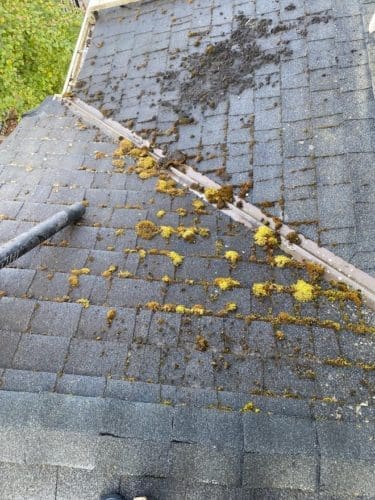
Moss thrives in cool, damp, and shady environments — specifically, areas of your roof that do not get much sun. While on the surface, moss may seem merely aesthetically displeasing, it can cause serious damage. It retains moisture, and over time, this can cause roof materials to deteriorate, resulting in expensive repairs or roof replacement.
In British Columbia, moss is more than an occasional nuisance — it is a near-constant threat. The Lower Mainland’s mild, wet winters create ideal growing conditions for moss spores, which can colonize a roof surface in a single season. Once established, moss acts like a sponge, holding water against your shingles or shakes and accelerating the breakdown of roofing materials from the outside in.
Why BC Homeowners Face More Moss
Not all climates create equal moss problems. Several factors specific to British Columbia make roof moss prevention especially important for local homeowners:
- Persistent moisture – The Lower Mainland receives over 1,200mm of rain annually, with most of it concentrated between October and April. Roofs rarely dry out completely during these months.
- Mild winter temperatures – Unlike the Canadian prairies, our winters rarely produce sustained freezing temperatures that would kill moss. The mild conditions allow moss to grow year-round.
- Abundant tree canopy – Many neighbourhoods in Surrey, Langley, and Abbotsford are heavily treed, creating shade that blocks the sunlight moss cannot tolerate.
- Airborne spores – Proximity to forests, parks, and green spaces means there is a constant supply of moss spores drifting onto roof surfaces.
Remove Favourable Moss Conditions
Limiting conditions that help moss thrive is the first step in preventing its growth. Moss loves shade, so trimming any overhanging branches to increase sunlight on the roof often deters moss growth. Additionally, keeping your roof clean and free of debris that could also harbour moisture also aids in moss prevention.
Proven Prevention Methods
Beyond removing shade and debris, there are several proactive steps you can take to prevent moss from taking hold on your roof:
Zinc or Copper Strips
Installing zinc or copper strips along the ridge line of your roof is one of the most effective long-term moss prevention methods. When it rains, trace amounts of metal wash down the roof surface, creating an environment that is toxic to moss and algae. Zinc strips are the more affordable option and are widely used in the Lower Mainland. Copper strips last longer and are slightly more effective but come at a higher cost. For best results, strips should run the full length of the ridge and be installed under the top row of shingles with a couple of centimetres exposed.
Tree Trimming
Overhanging branches are one of the biggest contributors to roof moss. They create shade, drop organic debris, and block airflow — all conditions moss needs to thrive. Trimming branches back at least two metres from the roofline allows more sunlight to reach the roof and improves air circulation. This single step can dramatically slow moss growth, particularly on south-facing and east-facing roof sections that would otherwise receive good sun exposure.
Chemical Treatments
Moss prevention treatments, often zinc sulphate-based solutions, can be applied to your roof after cleaning to inhibit regrowth. These treatments are most effective when applied in early fall before the wet season begins, giving the product time to bond to the roof surface. Professional-grade treatments typically last 12 to 18 months, while over-the-counter products from hardware stores may need reapplication more frequently.
Routine Roof Maintenance
Regular roof inspection and maintenance play a critical role in moss prevention. Look out for any early signs of moss growth, especially after seasons of heavy rainfall. Proactive steps can mean treating mossy patches before they spread across your roof.
Improve Air Circulation
Moss thrives in wet, stagnant environments. Therefore, improving air circulation around your roof is an effective prevention method. Trimming tree branches to create more open space around your roof allows better air circulation and reduces the roof’s moisture levels.
DIY vs. Professional Moss Prevention
When it comes to preventing roof moss, homeowners often wonder whether they should handle it themselves or hire a professional. Here is a straightforward comparison to help you decide:
DIY approaches work well for basic maintenance like keeping gutters clear, removing debris from the roof surface, and trimming nearby branches. You can also apply granular moss killer products available at garden centres. However, DIY work has limitations — climbing onto your roof carries real safety risks, and improper application of chemical treatments can damage shingles or harm surrounding plants.
Professional service is the better choice for thorough moss removal, soft wash treatments, and the installation of zinc strips. Professionals have the proper safety equipment for working at height, use commercial-grade products that last longer than retail options, and can identify early signs of roof damage that homeowners might miss. A professional cleaning and treatment once a year or every two years, combined with basic DIY maintenance between visits, is the most cost-effective strategy for most BC homeowners.
Long-Term Moss Prevention Plan
The most effective way to prevent roof moss is not a single action but an ongoing maintenance plan. Here is a practical schedule for Lower Mainland homeowners:
- Every spring – Inspect your roof from the ground for visible moss or algae. Clear any debris that accumulated over winter. Trim back branches that have grown closer to the roofline.
- Every fall – Schedule a professional roof cleaning and moss treatment before the rainy season begins. This is the most impactful single step you can take each year.
- Every 5 to 7 years – Consider replacing zinc strips if they have worn thin. Have a professional assess the overall condition of your roofing material and recommend any repairs.
- Year-round – Keep gutters clean so water drains properly. Standing water on any part of your roof system encourages moss growth.
Professional Moss Prevention
For the best results, hiring a professional moss removal service like Shine City is advised. Professionals provide expert services including proper roof cleaning, moss treatment, and preventive maintenance which saves homeowners from the hassle of DIY methods.
FAQs
- Why is it important to prevent moss on your roof?
Moss retention of moisture can erode roofing materials, leading to leaks and other structural problems. Regular inspection and professional cleaning are crucial steps in the moss prevention process.
- Can I prevent moss growth on my roof by myself?
While some preventive measures can be done by homeowners, for more thorough cleaning and maintenance, it is advisable to use a professional service like Shine City. They have the tools and expertise to handle moss prevention efficiently and effectively.
- Where can I find professional help for moss prevention?
Shine City offers professional moss prevention services in Surrey, British Columbia, and its surrounding areas. Our team of experts provides comprehensive services, ensuring your roof remains moss-free.
In conclusion, proactive measures and regular maintenance are key to keeping moss at bay. By understanding the conditions moss requires to grow, you can work to alter your roof’s environment accordingly. With the right combination of zinc strips, tree trimming, chemical treatments, and professional cleaning, you can keep your roof moss-free and in good health for decades. Contact Shine City today to discuss your roof maintenance needs.
Cost of Moss Prevention vs Moss Removal
One of the strongest arguments for investing in moss prevention is the cost comparison. Here is what typical homeowners in the Lower Mainland can expect to pay:
For an average Lower Mainland house, roof cleaning and moss treatment is usually $650–$1,200. These prices are a helpful guide based on similar jobs. Every property is different, so we’ll give you a free, personal quote before any work begins—so you know exactly what to expect.
A homeowner who invests in zinc strips, keeps trees trimmed, and schedules preventive treatment every other year will spend roughly $200-$400 per year on moss prevention. A homeowner who ignores their roof until heavy moss removal is needed will spend $400-$700 every two to three years, plus face significantly higher risk of structural damage that could cost tens of thousands to repair.
Moss Prevention for Different Roof Types
Not all roofs respond to prevention methods the same way. Here is how to tailor your approach based on your roofing material:
Asphalt Shingles
Asphalt shingles are the most common roofing material in BC and respond well to all standard prevention methods. Zinc strips are particularly effective because the flat shingle surface allows rainwater to distribute the metal ions evenly. Chemical treatments adhere well to the granular surface and provide lasting protection.
Cedar Shakes
Cedar shake roofs are the most challenging to keep moss-free because the rough, organic surface provides excellent grip for moss roots. Zinc strips help but may not provide complete coverage on thick, irregular shakes. The best approach for cedar is a combination of zinc strips, aggressive tree trimming to maximize sun exposure, and annual professional treatment with a wood-safe moss inhibitor.
Metal Roofing
Metal roofs are naturally resistant to moss due to their smooth, non-porous surface. However, debris can accumulate in seams, around fasteners, and in valleys where moss finds enough material to take root. Prevention for metal roofs focuses on keeping the surface clear of debris and ensuring proper drainage. Zinc strips are generally not needed for metal roofs.
Concrete and Clay Tile
Tile roofs are porous and textured, making them highly susceptible to moss in BC’s climate. Prevention requires a combination of zinc strips, regular cleaning, and chemical treatment. The porous surface absorbs treatment solutions well, so professional-grade products tend to be particularly effective on tile. However, the fragile nature of tiles means prevention is even more important than removal, since walking on tile roofs to clean them risks cracking individual tiles.
Taking a proactive approach to moss prevention saves money, extends your roof’s lifespan, and keeps your home looking its best. Contact Shine City to discuss a moss prevention plan tailored to your roof type and neighbourhood. Call (604) 229-5354 or get a free quote online.
When Prevention Is Not Enough
Even with the best prevention plan, Vancouver’s climate means some moss growth is inevitable over time. When you notice moss beginning to establish, early treatment is far more effective and affordable than waiting until it becomes a thick blanket covering your roof. A light cleaning and retreatment at the first sign of regrowth costs significantly less than heavy moss removal and prevents the damage that occurs when moss is allowed to mature and embed its root system into your roofing material.
