





Keeping your roof clean is not merely about aesthetics; it is an essential part of property maintenance. But how often do you need to clean your roof? In this article, we will outline the ideal timeline for regular roof cleaning, break down considerations by roof type, and explain why it is crucial to maintaining your home’s overall health and longevity.
Updated for 2026 with the latest best practices, pricing insights, and expert tips for Vancouver-area homeowners.
Table of Contents
- Why Regular Roof Cleaning is Important
- Ideal Timeline for Residential Roof Cleaning
- Roof Type Considerations
- BC Moss and Algae Factors
- What Happens If You Skip Roof Cleaning
- Commercial Roof Cleaning Frequency
- Determining Your Roof Cleaning Schedule
- FAQs
- How Much Does Regular Roof Cleaning Cost?
- Signs Your Roof Needs Cleaning Now
- Roof Cleaning and Home Insurance in BC
- Combining Roof Cleaning with Other Services
Why Regular Roof Cleaning is Important
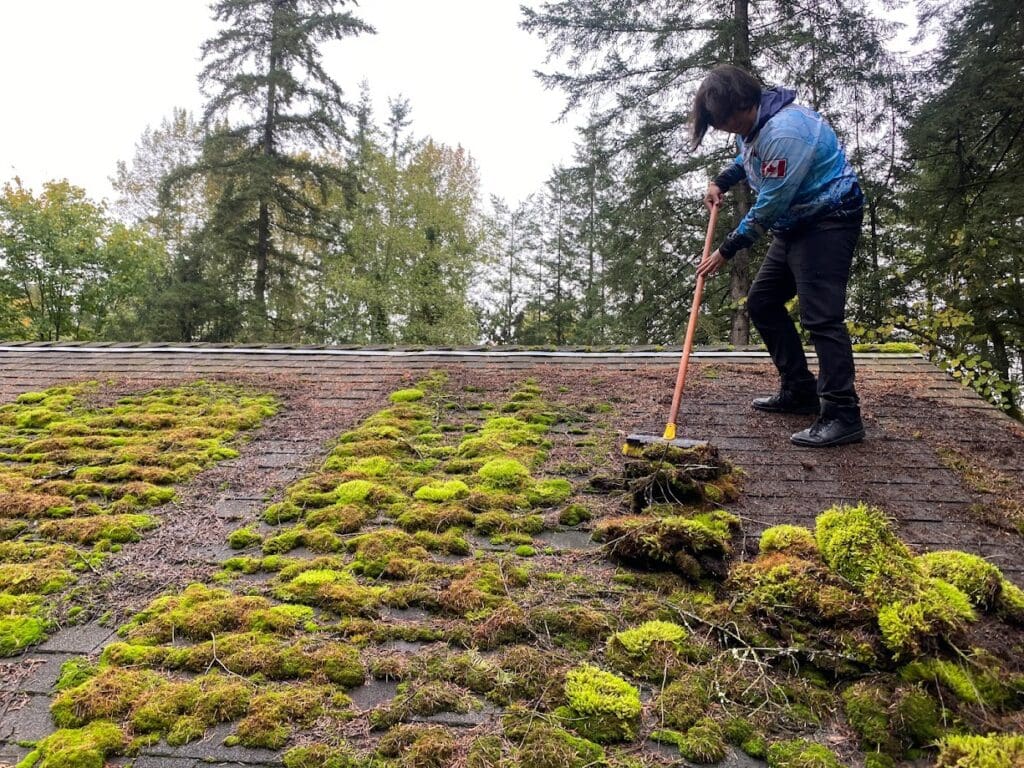
Regular roof cleaning is a key aspect of home upkeep. A clean roof not just boosts your property’s curb appeal but also guards against potential damage. Deposits of algae, moss, and other organisms can cause serious harm to your roof. These elements retain moisture against the surface of your roof, which, over an extended period, can lead to substantial damage.
In British Columbia, the combination of mild temperatures and persistent rainfall creates the perfect breeding ground for moss and algae. Left unchecked, moss roots can work their way under shingles and tiles, lifting them and creating gaps where water penetrates. Over several years, this can lead to rotting roof decking, interior leaks, and the need for premature roof replacement — a cost that can run into tens of thousands of dollars.
Ideal Timeline for Residential Roof Cleaning
For the average residential home, a comprehensive roof cleaning is typically required every two to three years. Still, several factors could necessitate more frequent cleanings, including your geographical location, climate, and the type of trees surrounding your property. For example, homes surrounded by tall trees might require more regular cleanings due to the accumulation of leaves, bird droppings, and other organic matter on the roof.
Roof Type Considerations
Different roofing materials respond differently to the elements, and each has its own cleaning requirements. Understanding what your roof is made of helps you determine the right cleaning schedule.
Asphalt Shingles
Asphalt shingles are the most common roofing material in the Lower Mainland. They are relatively affordable but are prone to algae streaking and moss growth in our damp climate. Cleaning every two to three years is standard, but north-facing sections that receive less sunlight may need attention more frequently. It is important to use low-pressure soft washing rather than high-pressure methods, as aggressive pressure can strip the protective granules from the shingles and shorten their lifespan.
Metal Roofing
Metal roofs are durable and naturally resistant to moss because their smooth surface does not give moss much to grip. However, they are not immune to algae staining, dirt buildup, and the accumulation of debris in valleys and around fasteners. A cleaning every three to five years is usually sufficient for metal roofs, though you should inspect them annually for any signs of corrosion or discolouration.
Concrete and Clay Tile
Tile roofs are long-lasting but their textured, porous surfaces are highly susceptible to moss and algae growth. In BC’s wet climate, tile roofs may need cleaning every one to two years, particularly in shaded areas. Care must be taken during cleaning, as tiles can crack under foot traffic or excessive pressure.
Cedar Shake
Cedar shake roofs are beautiful and common in older BC neighbourhoods, but they require the most maintenance. The organic nature of wood makes cedar shakes a magnet for moss, lichen, and algae. These roofs typically need cleaning every one to two years, along with treatments to preserve the wood and prevent decay. Without regular maintenance, cedar shakes can curl, split, and rot much faster than their expected lifespan.
BC Moss and Algae Factors
British Columbia’s climate is particularly challenging for roof maintenance. The Lower Mainland receives an average of 1,200mm of rain annually, combined with mild winter temperatures that rarely drop below freezing for extended periods. This creates year-round growing conditions for moss and algae, unlike colder provinces where winter kills off most organic growth.
Several local factors accelerate moss and algae growth on your roof:
- Tree canopy – Overhanging branches create shade and deposit organic debris that feeds moss growth.
- North-facing slopes – These sections receive minimal direct sunlight and stay damp longer after rainfall.
- Proximity to forests or green spaces – Airborne spores from nearby wooded areas settle on your roof and establish colonies quickly.
- Poor attic ventilation – Inadequate ventilation can cause condensation on the underside of the roof, adding moisture from below as well as above.
What Happens If You Skip Roof Cleaning
Neglecting roof cleaning does not just affect the appearance of your home. Over time, the consequences become increasingly serious and expensive:
- Shortened roof lifespan – Moss and algae retain moisture that breaks down roofing materials. A roof rated for 25 years may only last 15 if not properly maintained.
- Water damage and leaks – As moss lifts shingles and deteriorates sealant, water finds its way into the roof structure, damaging insulation, drywall, and framing.
- Increased energy costs – A compromised roof loses insulating effectiveness, leading to higher heating bills during BC’s cooler months.
- Pest infestations – Gaps created by lifted or damaged roofing materials can allow squirrels, birds, and insects to enter your attic.
- Lower property value – A visibly mossy or stained roof signals deferred maintenance to potential buyers and can reduce your home’s market value.
Commercial Roof Cleaning Frequency
For commercial properties, the cleaning timeline will greatly depend on the location, the surrounding environment, and the building’s usage. Usually, a commercial roof may need professional cleaning every two to three years.
Determining Your Roof Cleaning Schedule
Several factors contribute to how frequently you should schedule a professional roof cleaning:
- Local Flora: If your property has many trees, you may need to clean your roof more frequently. Fallen leaves, bird droppings, and sap can build up over time, fostering an environment for moss and algae to grow.
- Climate Conditions: Homes in moist, shady areas are more susceptible to moss and algae growth, which could necessitate more regular roof cleaning.
- Roof Material: Different roofing materials may require distinct care. Some materials may be more vulnerable to algae or moss growth than others, affecting your cleaning schedule.
FAQs
- Why is regular roof cleaning necessary?
Routine roof cleaning is integral to preventing the buildup of harmful organisms like moss or algae, which can damage your roof and shorten its lifespan.
- Can homeowners clean their roofs themselves?
While some basic cleaning tasks can be handled by homeowners, for a detailed, thorough cleaning, it is best to hire professionals. This ensures the cleaning is conducted safely and effectively.
- Where can I find professional roof cleaning services?
Shine City offers top-tier professional roof cleaning services in Surrey, British Columbia, and the surrounding areas. Our experienced team provides efficient and thorough roof cleaning, ensuring the longevity and aesthetic appeal of your roof.
In conclusion, a clean roof is not just pleasant to look at; it is also a vital part of your property’s upkeep. By maintaining a regular cleaning schedule based on your roof type and local conditions, you can enhance your roof’s lifespan and the overall health of your home. Contact Shine City today to schedule your next roof cleaning appointment.
How Much Does Regular Roof Cleaning Cost?
Understanding the cost of roof cleaning helps you budget for this essential maintenance task. In the Lower Mainland, typical roof cleaning prices are:
For an average Lower Mainland house, roof cleaning and moss treatment is usually $650–$1,200. These prices are a helpful guide based on similar jobs. Every property is different, so we’ll give you a free, personal quote before any work begins—so you know exactly what to expect.
When you consider that a premature roof replacement costs $10,000-$25,000, spending $300-$600 every two to three years on professional cleaning is one of the most cost-effective home maintenance investments you can make. Regular cleaning also maintains your home’s curb appeal and can prevent warranty issues with your roofing manufacturer, as many warranties require evidence of regular maintenance.
Signs Your Roof Needs Cleaning Now
Even if you follow a regular cleaning schedule, certain visual indicators suggest your roof needs attention sooner rather than later:
- Dark streaks or staining — Black or dark brown streaks running down your roof are caused by a type of algae called Gloeocapsa magma. While not immediately damaging, these streaks indicate moisture retention that will eventually encourage moss growth.
- Visible moss patches — Any green moss visible from ground level means the growth is already well-established. Thick moss that is visible from the street has likely been growing for several months and should be addressed promptly.
- Lifted or curling shingles — Moss roots growing under shingle edges cause them to lift and curl. If you notice shingles that appear raised or uneven, moss is likely the culprit.
- Granules in your gutters — Finding an unusual amount of shingle granules in your gutters during cleaning is a sign that your roof surface is deteriorating, potentially accelerated by moss or algae activity.
- Debris accumulation in valleys — Roof valleys where two slopes meet tend to collect leaves, needles, and organic debris. This trapped material holds moisture and creates ideal conditions for moss to establish.
Roof Cleaning and Home Insurance in BC
Many BC homeowners are unaware that neglecting roof maintenance can affect their home insurance coverage. While insurance companies do not typically require proof of annual roof cleaning, claims related to water damage caused by a visibly neglected roof may be denied or reduced. If an adjuster determines that moss damage was the result of prolonged maintenance neglect, the claim could be classified as a maintenance issue rather than a covered peril. Maintaining a regular cleaning schedule and keeping receipts from professional services provides documentation that you have fulfilled your maintenance obligations.
Combining Roof Cleaning with Other Services
The most cost-effective approach to roof maintenance is bundling it with other exterior cleaning services. When a professional crew is already on-site with equipment set up, adding services takes less time than scheduling them separately. Common service combinations include:
- Roof cleaning + gutter cleaning — The most natural pairing, since roof cleaning debris inevitably washes into gutters. Bundling typically saves 10-15%.
- Roof cleaning + house washing — Cleaning your roof without washing the siding below means dirty runoff can stain your walls. Doing both at once ensures a uniformly clean exterior.
- Full exterior package — Roof, gutters, house wash, and windows combined. This comprehensive approach saves the most money and gives your entire property a refreshed appearance in a single visit.
At Shine City, we encourage bundling and offer package discounts to make comprehensive maintenance more affordable. Contact us for a free estimate on any combination of services. Call (604) 229-5354 or request a quote online.
Regular roof cleaning is one of the most important maintenance tasks for BC homeowners. By understanding your roof type, monitoring for warning signs, and keeping to a consistent cleaning schedule, you can extend your roof’s lifespan by a decade or more and avoid the devastating costs of premature replacement. Whether you have asphalt shingles, cedar shakes, or tile, the investment in professional cleaning pays for itself many times over.
